Hidden Disney World Costs That Actually Add Up in 2026
You’ve done the math. Tickets, resort, flights — it’s all budgeted, it’s all paid for, and you feel good about the number. Then you get home and your credit card statement doesn’t match the number in your head at all.
That’s not because you were careless. It’s because a big chunk of what you’ll actually spend at Walt Disney World doesn’t show up on the price tag you see when you book. These are the hidden Disney World costs that don’t get talked about nearly enough — not the tired “did you know parking used to cost extra” warning you’ve read a hundred times (it didn’t, not since 2023, and self-parking at Disney-owned resorts is still free), but the stuff that quietly drains your wallet once you’re actually in the parks.
I’m going to walk through the categories that catch first-timers off guard the most, with real 2026 numbers, and tell you honestly which ones are worth it and which ones you can skip without a second thought.
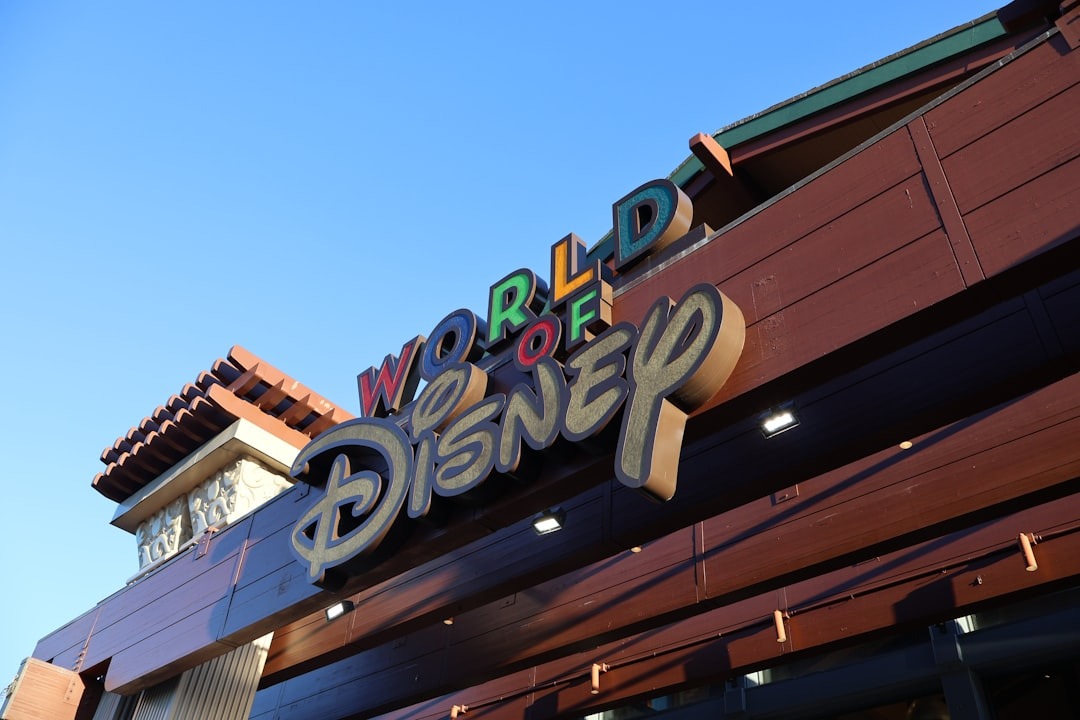
Table of Contents
Lightning Lane Is the Biggest Hidden Disney World Cost, Full Stop
If you’re budgeting for a Disney trip and you haven’t specifically planned for Lightning Lane, you’re going to feel it. This is the single largest hidden Disney World cost for most families, and it’s the one people most consistently underestimate, because it’s not a line item anywhere in the booking process. You only discover it once you’re in the app trying to figure out why your day suddenly costs another $150.
Here’s what you’re actually looking at in 2026:
- Lightning Lane Multi Pass runs roughly $15 to $39 per person, per day, depending on the park and the date. Magic Kingdom consistently sits at the top of that range; Animal Kingdom is usually the cheapest. This lets you book a handful of return-time reservations for included attractions throughout the day, similar in spirit to the old FastPass+ system.
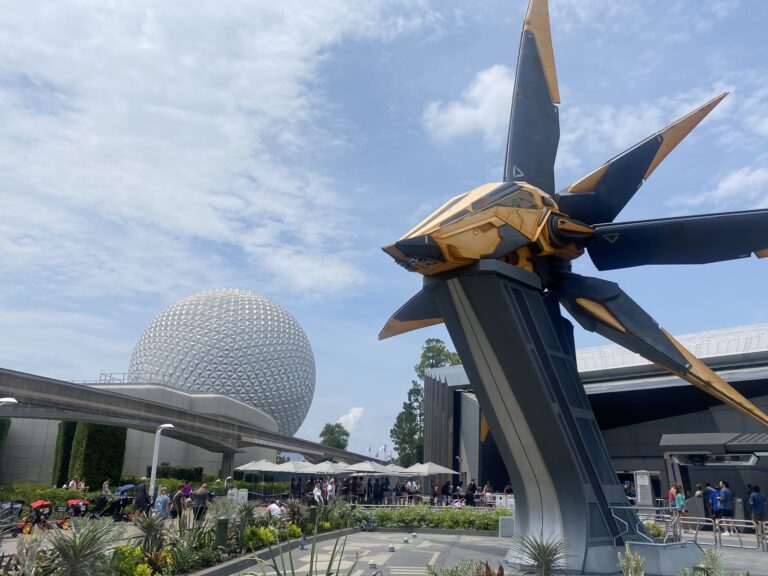
- Lightning Lane Single Pass is sold separately, per ride, for the handful of highest-demand attractions not covered by Multi Pass — think Tron Lightcycle Run or Guardians of the Galaxy: Cosmic Rewind. Expect $12 to $25 per person, per ride, and that’s per person, per use — it doesn’t stack across the day.
- Lightning Lane Premier Pass is the one-time, all-access option for a single park, single day, with no advance selections needed. It’s priced anywhere from roughly $119 at Animal Kingdom up to $449 at Magic Kingdom depending on the date. That’s not a typo, and yes, that’s per person.
Now multiply any of those numbers by a family of four across a full week, and you can see how this becomes real money fast — often several hundred dollars you never explicitly “decided” to spend, because you made the purchase in bits and pieces from your phone in line for a churro.
Put actual numbers to it: a family of four buying Multi Pass at a moderate $30 per person, per day, across six park days, is looking at $720 for that alone — before a single Single Pass or Premier Pass purchase enters the picture. Add two Single Pass rides per person on your Hollywood Studios day at $20 each, and you’ve tacked on another $160. That’s $880 that, in most people’s trip budgets, simply didn’t exist as a line item until they were standing in the app deciding day by day.
Pricing also isn’t flat across the calendar — it moves with expected crowd levels, so the same Multi Pass day at Magic Kingdom might run $21 on a quiet September Tuesday and $39 over a holiday week. If your travel dates have any flexibility at all, that swing alone can be worth checking before you lock in a date.
Here’s the honest take: for a lot of trips, Lightning Lane genuinely is worth the money, especially during high-crowd periods when standby lines are running 60-90+ minutes. But it should be a planned line item, not a surprise. I built a Lightning Lane Cost Calculator specifically so you can plug in your party size, park days, and priority attractions before your trip and see the real total — not the vague “it varies” answer every other guide gives you. If you’re trying to decide whether it’s worth it for your specific trip at all, I’d also point you to my full breakdown on skipping Lightning Lane entirely, because for some trip types, standby-only is a completely reasonable call.
The Disney Dining Plan: A Budgeting Tool, Not a Bargain
The Disney Dining Plan deserves its own section here because it gets pitched — by Disney and by a lot of well-meaning bloggers — as a money-saver, and for most guests, that’s not quite accurate. It’s worth understanding the actual math before you add it to your package.
For 2026, there are two tiers:
- Quick-Service Dining Plan: $60.47 per adult, per night. Includes two quick-service meals (entrée and beverage), one snack or nonalcoholic drink, and a resort-refillable mug, per person, per night.
- Standard Disney Dining Plan: $98.59 per adult, per night. Includes one table-service meal (entrée, dessert, and a beverage, or a full buffet/family-style meal), one quick-service meal, one snack, and a refillable mug, per person, per night.
Kids ages 3–9 are a genuinely big deal this year: Disney is including them on the same plan as the adults in their room at no extra charge as part of a 2026 promotion. That’s a real, meaningful discount if you’ve got multiple young kids, and it shifts the math noticeably in the plan’s favor for larger families.
But here’s the part that doesn’t get said plainly enough: under most circumstances, the Disney Dining Plan is priced so that Disney comes out ahead, not you. Run the numbers yourself — take what you’d actually order at the restaurants you’re planning to visit, add it up, and compare it to the per-night plan cost. Unless you’re consistently using your table-service credit on pricier character meals, signature dining, or buffets (some of which require two credits per person, so check before you book), you’re often paying more per credit than you’d spend paying cash for a realistic, non-maximized meal.
Where the Dining Plan genuinely earns its keep isn’t the discount — it’s the certainty. Prepaying a big chunk of your food budget means you’re not making dozens of small, on-the-go purchase decisions all week, and you walk into the trip already knowing that piece of the bill is handled. If you’re the type of family that tends to overspend once you’re actually standing in the park hungry and tired, that predictability has real value, even if it’s not technically the cheapest way to eat.
Run a real example: a family of four (two adults, two kids ages 3-9) on the Standard Disney Dining Plan for five nights pays $98.59 × 2 adults × 5 nights = $985.90, with the kids included free under the 2026 promotion.
Compare that to what the same family would actually spend ordering a realistic mix of quick-service lunches, one or two moderately priced table-service dinners, and the occasional snack — for a lot of families, that cash total lands lower than $985.90, sometimes noticeably so, unless several of those table-service meals are character dining or buffets priced well above the credit’s break-even value. The plan isn’t a bad deal; it’s just not automatically a good one, and the marketing around it doesn’t make that clear.
My honest recommendation: don’t buy the Dining Plan because you assume it saves money. Buy it if you want a chunk of your vacation pre-budgeted and you’re comfortable trading a bit of cash for a lot of “don’t think about it” convenience.
Mobile Order Upcharges You Don’t See Coming
Mobile Order is one of the better conveniences Disney has rolled out — you order ahead, skip the counter line, and get a notification when your food’s ready. But it also makes it dangerously easy to add things onto your order without registering the total, the same way a food delivery app nudges you toward extras at checkout.
A few specific costs to watch for:
- Specialty and alcoholic beverages at quick-service locations are priced well above a standard soda — frozen cocktails and specialty snack-cart drinks in particular can run $14-$18+ each, and it’s easy to order two or three across a single park day without thinking of it as a real expense.
- Kids’ meal add-ons — extra sides, a second entrée, upgraded drinks — get tapped on individually and add up meal after meal.
- App tipping prompts at some quick-service and mobile checkout points can catch guests off guard if they’re not expecting to see one at a counter-service location.
None of these are “sneaky” in the sense of being hidden fees — they’re just easy to lose track of because you’re tapping a screen instead of handing over cash. There’s no running total staring back at you the way there would be with a physical receipt, and across a full park day with breakfast, lunch, an afternoon snack, and dinner, the small additions per order genuinely compound into a bigger number than most guests expect by the end of the week.
If you want a clean way to keep this in check, decide your snack and drink budget for the day before you get to the park, not while you’re standing in front of the menu. It sounds like a small thing, but deciding in advance whether today is a “one specialty drink” day or a “water bottle and a Dole Whip” day removes the in-the-moment decision entirely — which is exactly where these costs tend to sneak up on people.
PhotoPass and Memory Maker: Do the Math Before You Buy
Every PhotoPass photographer you pass in the parks is an upsell opportunity, and it’s worth knowing the actual numbers before you decide whether Memory Maker is one of the hidden Disney World costs worth paying for.
- Memory Maker (advance purchase, 3+ days before your trip): $185, and it covers unlimited digital downloads of PhotoPass photos and ride photos/videos for your whole party.
- Memory Maker (purchased during your trip): $210 — a real penalty for waiting.
- Memory Maker One Day: $75, if you only want coverage for a single park day.
- Individual photo downloads without a package: roughly $17-19 per photo.
One thing that trips people up: if you’re already buying Lightning Lane Multi Pass, your on-ride photos are typically included with that purchase already. So if ride photos were your main reason for considering Memory Maker, check what you’re already getting before you pay for it twice.
The rough break-even is around 10-11 photos. If you know you’ll stop for posed shots at the castle, grab a few Magic Shots, and want ride photos from more than one or two attractions, Memory Maker pays for itself quickly, especially for a family of four or more sharing the cost across everyone. If you’re a couple doing a quick weekend trip and you’re not the type to stop for photographers, skip it — you’ll likely never hit that break-even point.
Stroller and Mobility Rentals
If you’re traveling with a young child, this is one of the more predictable hidden Disney World costs, but it’s still one people forget to actually put in the budget until they’re standing at the rental counter.
- Single stroller: $15 per day, or $13 per day if you prepay for your full length of stay.
- Double stroller: $31 per day, or $27 per day for a length-of-stay rental.
- Renting at Disney Springs specifically requires a $100 refundable deposit on top of the daily rate.
Over a full week, a single-stroller length-of-stay rental runs around $91; a double runs closer to $189. That’s real money for something a lot of families don’t think to line-item until they’re already tired and standing in the sun with a cranky toddler. If you own a lightweight umbrella stroller already, bringing your own is almost always the cheaper move — you just have to park it before getting in a queue, same as a rental.
The Impulse Souvenir Trap
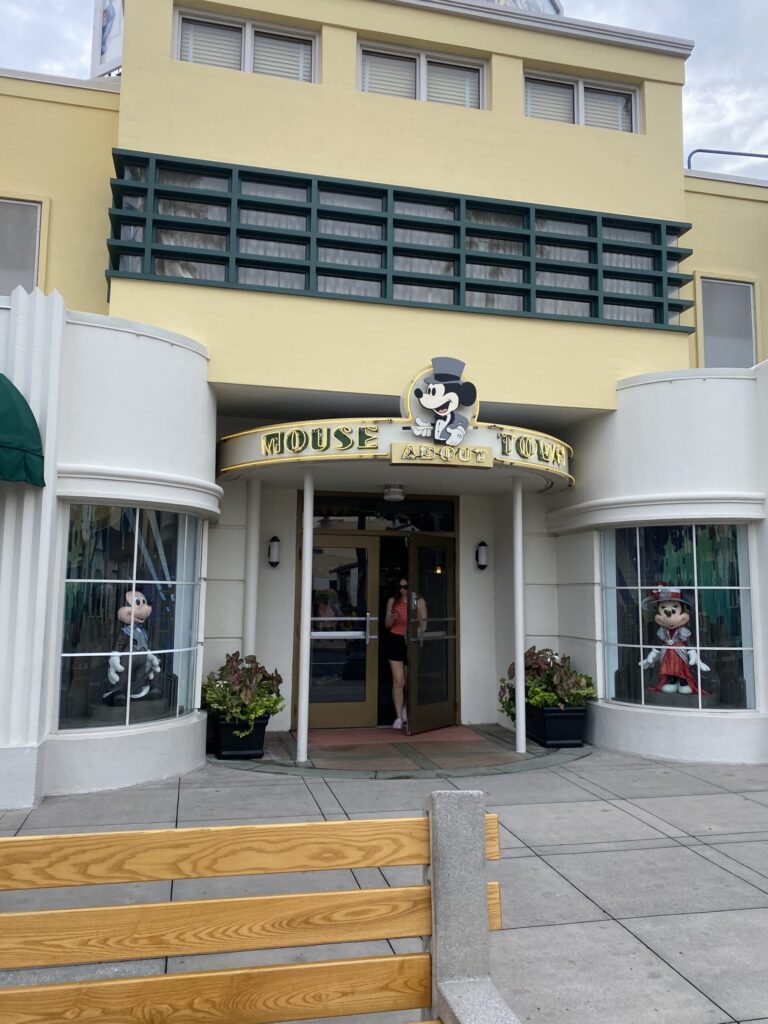
This is the least “hidden” cost on this list in the sense that nobody’s surprised merchandise exists — but the actual prices still catch people off guard, especially when you’re buying five sets of ears instead of one because everyone wants their own.
- Mickey/Minnie ear headbands run about $37 a pair.
- A standard adult Spirit Jersey is around $80.
- Multiply either of those across a family, and you’ve quietly spent a few hundred dollars on things that get worn twice and then live in a drawer.
None of that means skip souvenirs — plenty of these purchases genuinely are worth it as trip keepsakes. The move is deciding your souvenir budget per person before you’re standing in the World of Disney store on day three, not after. A simple trick that works well for families: give each kid a set cash amount (or a gift card loaded to that amount) at the start of the trip, and let them decide how to spend it. It turns the souvenir conversation from a daily negotiation into a one-time decision, and it takes the “hidden” out of that particular hidden Disney World cost entirely.
Quick Answers on Hidden Disney World Costs
What’s the single biggest hidden Disney World cost? For most families, it’s Lightning Lane — because pricing is dynamic, purchased in-app in small increments, and easy to lose track of across a multi-day trip.
Does the Disney Dining Plan actually save money? Usually not, unless you’re consistently using table-service credits on character dining, signature restaurants, or buffets. Its real value is turning a chunk of your food budget into a fixed, prepaid number rather than saving cash outright.
Do I need Memory Maker if I already have Lightning Lane Multi Pass? Not necessarily. Multi Pass already includes your on-ride photos, so Memory Maker mainly adds value if you also want posed PhotoPass shots around the parks — think castle photos and character meet-and-greets.
Is it cheaper to bring my own stroller instead of renting? Almost always, if you already own a lightweight one. A week-long rental can run close to $100 for a single stroller once you add it up.
How to Actually Budget for These Hidden Disney World Costs
The theme running through every category here is the same: none of these costs are secret, exactly. Disney publishes all of these prices. What catches people is that none of them show up in the number you see when you book your trip — they only show up once you’re already there, spending in small, easy-to-ignore increments.
The fix isn’t avoiding all of it. It’s deciding ahead of time which of these you actually want to spend on, and putting a real number next to each one before you go — especially Lightning Lane, since it’s usually the largest of these hidden Disney World costs by a wide margin. That’s exactly why I built the Lightning Lane Cost Calculator — run your trip through it, and you’ll walk into your vacation with a number that’s actually going to match your bank statement when you get home. Additionally, you can help eliminate unnecessary transportation costs by knowing what your options are.
Timing is its own hidden cost. Rooms, tickets, and dining all open on different clocks, and knowing when to book each piece of your trip keeps you from losing the cheaper room categories and the reservations you actually wanted.
Magical Blueprint is an independent fan and travel-planning resource and is not affiliated with, endorsed by, or sponsored by The Walt Disney Company.