Disney World Dining Reservations: How the 60-Day Window Actually Works
Disney World dining reservations decide more of your trip than almost any other booking you make, and most families do not find that out until the table they wanted is gone. The parks are not walk-in destinations at the table service level. The restaurants that define a Disney trip, the castle meal, the character breakfast, the rocket-ship dinner, are booked out weeks ahead by guests who knew exactly when to be online and what to grab first.
This is the mechanics guide. How the booking window works, when it opens, the advantage on-site guests hold, what you are actually agreeing to when you book, and how to recover when your date shows as sold out. Get the system right and the hard reservations become gettable. Get it wrong by five minutes and you are eating quick service and wondering what happened.
One note before the details. Disney adjusts its dining policies, fees, and booking rules over time, so treat everything here as current-at-writing and confirm the specifics on Disney’s official dining page and your own confirmation email before you rely on them.
Table of Contents
What Disney World Dining Reservations Are
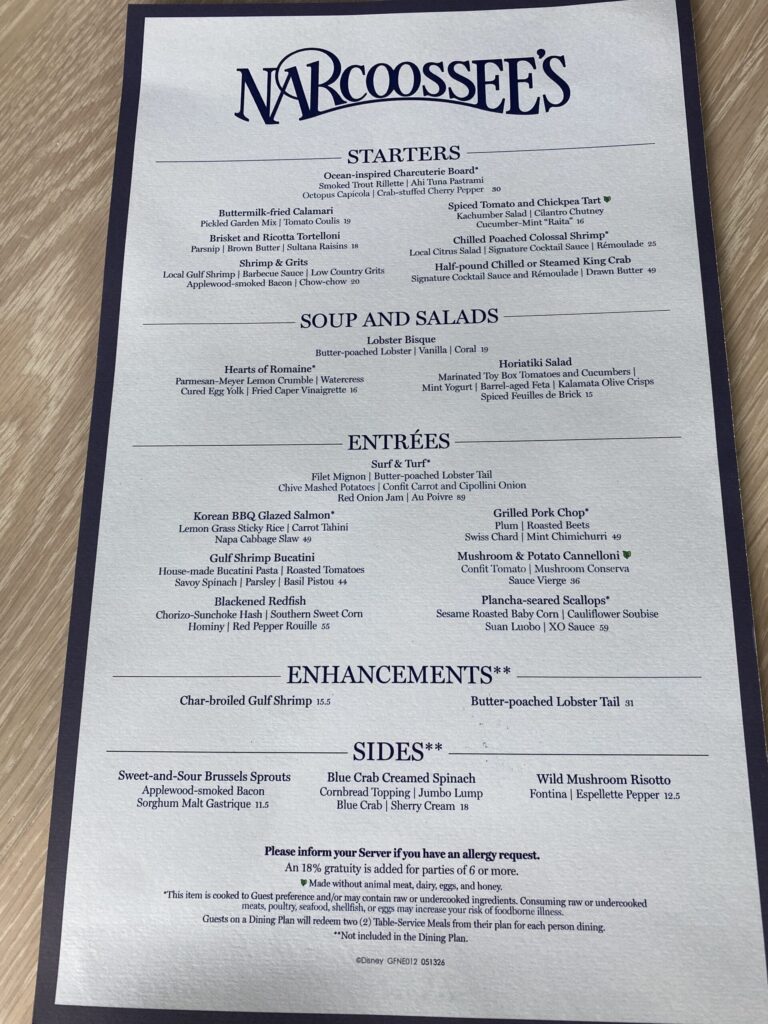
Disney uses an Advance Dining Reservation system, usually shortened to ADR, for its table service restaurants. That covers sit-down meals across all four parks, Disney Springs, and the resort hotels, including character meals where costumed characters visit your table and signature restaurants at the higher end. If a restaurant seats you and brings food to the table, assume it takes reservations and books up.
Quick service is the opposite. Counter-service spots, food carts, and mobile-order locations need no reservation at all, and you can eat well on quick service alone. The reservation game only applies to the table service tier, which is where the memorable meals and the scarcity both live.
The distinction matters for your budget and your stress level. You do not need Disney World dining reservations to feed your family. You need them to eat at the specific restaurants that book out, and only a handful of those are worth building a morning around. Everything below is about winning that handful.
The 60-Day Booking Window Is the Whole Game
Disney World dining reservations open 60 days before your dining date, at 6:00 AM Eastern Time, through the Disney World website and the My Disney Experience app. If you prefer to book by phone, that line opens an hour later at 7:00 AM Eastern, which puts you a full hour behind everyone booking online for the hardest tables. Use the app.
The 60-day mark is not a soft target. For the most in-demand restaurants, the tables released that morning can be gone within minutes. The window is the same for everyone, so the guests who land those tables are the ones who show up prepared: logged in, party size entered, payment saved, and a ranked list of what to grab first.
That is the core of it. Disney World dining reservations reward preparation over luck. The system is not random and it is not first-come chaos. It is a starting gun at a known time, and the people who treat it that way eat where they want to eat.
The On-Site Advantage: The 60+10 Rule
Here is where staying on Disney property changes the math. Guests at a Disney Resort hotel can book their entire trip, up to 10 days, starting 60 days before their check-in date, all in one booking session. This is the 60+10 rule, and it is a real advantage.
Off-site guests book differently. They can also book 60 days out, but only one dining date at a time, which means logging back in every single day of the countdown to grab the next day’s reservations. An off-site family chasing a week of hard tables has to win the 6:00 AM race seven separate mornings. An on-site family wins all of them on one morning, 60 days before check-in.
For popular restaurants, that gap decides who eats where. An on-site guest can lock the castle on day three and the character breakfast on day five in the same session, while off-site guests are still waiting for those individual windows to open. If dining is a priority for your trip, this belongs in your on-site versus off-site decision, because it is one of the concrete perks that tips the calculation.
Exactly When and How to Book
Preparation is the entire strategy, and it comes down to a short checklist you run the night before your window opens.
Log into My Disney Experience ahead of time and confirm your account, your party, and a saved payment method are all in place. A card is required to hold most reservations, and fumbling for it at 6:00 AM costs you the table. Have your party size decided. Have the app open and yourself signed in before the clock hits 6:00 AM Eastern, not at 6:00 AM.
Then book in priority order, hardest first. This is the single most important tactic for Disney World dining reservations, and people get it backward all the time. Grab your one must-have table before you touch anything else, because the reservation most likely to disappear in the first two minutes is the one you should secure in minute one. Work down your list from there. The easy tables will still be there at 6:10. The castle will not.
If you are booking a full on-site trip in one session, a useful trick is to book from the last day of your stay backward. Later dates in your window sometimes have slightly better availability, since fewer people can reach that far out yet, and working backward keeps your session organized.
The Restaurants That Vanish in Minutes
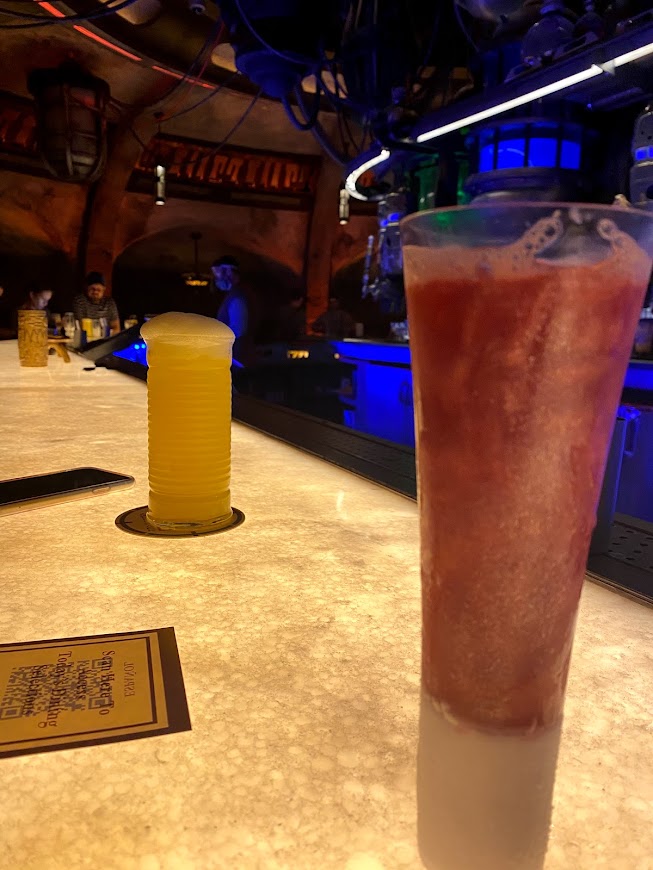
A handful of restaurants reliably sell out within minutes of the window opening on busy dates. If any of these are on your list, they are your book-first priorities: Cinderella’s Royal Table inside the castle, Be Our Guest at Magic Kingdom, Space 220 at EPCOT, Topolino’s Terrace at Disney’s Riviera Resort, ‘Ohana at the Polynesian, and Chef Mickey’s at the Contemporary. Oga’s Cantina in Hollywood Studios also takes reservations and moves fast, and it shows up in our Disney World bars guide for a reason.
Character meals cluster near the top of the difficulty list because they bundle food with guaranteed character interaction, which is exactly what families with young kids are chasing. The trade is straightforward: a 60 to 90-minute seated meal where multiple characters come to you, instead of that same time spent standing in separate meet-and-greet lines across the park.
Not every one of these tables is worth the effort for every family, and some sit-down restaurants are easier to skip than to book. We sort the ones that earn their price from the ones that do not in Disney World restaurants not worth it.
What You Are Actually Agreeing To
Booking a Disney dining reservation is free, but you are agreeing to a cancellation policy, and it is worth understanding before you lock in six of them.
Most table service restaurants take a card to hold the reservation, not to charge it. Nothing is billed at booking. The card backs a no-show fee of $10 per person, and that fee triggers if you fail to show or cancel inside two hours of your reservation time. Cancel earlier than that and you pay nothing. Disney also does not allow modifications within two hours of the reservation, so a running-late change is off the table once you are inside that window. There is usually a 15-minute grace period for late arrival before Disney may release your table.
A few experiences work differently and are prepaid in full at the time of booking. Cinderella’s Royal Table and the Hoop-Dee-Doo Musical Revue dinner show are the common examples. For prepaid experiences, a same-day cancellation can forfeit the entire amount rather than a flat $10 a head, and some signature restaurants carry stricter terms than the standard policy. These rules are the kind Disney changes periodically, so read the cancellation terms shown when you book and keep the confirmation email, since the specific deadline is set per experience. The prepaid structure is also why gratuities and premium dining belong in your planning, a point we cover in hidden Disney World costs.
How to Recover When Your Date Is Sold Out
A sold-out date is not the end. Disney World dining reservations reappear constantly as other guests’ plans change, and the cancellation policy itself works in your favor here. Because guests get charged for late cancellations and no-shows, a lot of people give up tables they will not use in the final 48 hours before the reservation, which sends a steady stream of openings back into the system.
That means the recovery move is persistence, not panic. Keep checking, especially in the two days before your target date, and especially in the mornings. Modifying your search helps too. A smaller party size often surfaces availability that a larger one hides, and an off-peak time like a very early or very late seating is far easier to land than a 6:30 PM prime slot. Take the odd time and eat when you can, rather than holding out for the perfect one.
Disney also runs a same-day Mobile Dine Walk-Up Waitlist inside the My Disney Experience app for many restaurants. It is not guaranteed, and it gets harder for parties larger than two, but for a flexible couple it can get you into a restaurant you never reserved. Treat it as a bonus, not a plan.
Build Your Days Around Your Reservations
A reservation is a fixed point in your day, and a badly placed one quietly wrecks a good touring plan. A noon character lunch at one park pins you across the middle of the day and can pull you out of a rope-drop morning at another. The restaurant you booked first should shape the park you visit that day, not fight it.
This is where dining connects to the rest of your planning. The Component Method treats each day as a set of pieces that have to fit together, and your dining reservation is one of the least flexible pieces once it is booked. Slot your meals where they support the day rather than interrupt it. A dinner at a park you are closing works. A midday sit-down at a park you meant to rope-drop and leave by early afternoon usually does not.
When you are ready to assemble actual days around your tables, the Itinerary Planner helps you place each meal against the park you are touring so the reservations you fought for at 6:00 AM enhance the day instead of dictating it.
When to Lock Dining Into Your Timeline
Dining is one of the early hard deadlines in the planning sequence, and it is easy to miss because the 60-day mark arrives before most people feel ready. Tickets can be bought later and upgraded. Dining cannot be un-missed once the hardest tables are gone.
The clean approach is to know your 60-day date well before it arrives, have your ranked restaurant list built, and be ready the morning it opens. Other pieces of the trip carry their own clocks, and getting them in the right order keeps dining from sneaking up on you. The Booking Timeline Generator puts the whole sequence in order, so your dining window, your other booking dates, and your travel dates all line up instead of colliding.
Bottom Line
Disney World dining reservations come down to a few disciplined moves. Know your 60-day date and be ready at 6:00 AM Eastern on the app, not the phone. Book the single hardest table first and work down your list. If you are on-site, use the 60+10 rule to book the whole trip in one session. Understand the card hold and the $10 no-show fee before you lock in six reservations, and check the stricter terms on any prepaid experience. And if your date shows sold out, keep checking, because those tables come back. Do that, confirm the current rules on Disney’s site, and you eat where you planned to eat instead of settling for whatever was open.
Frequently Asked Questions
How far in advance can I make Disney World dining reservations?
Sixty days. On-site Disney Resort hotel guests can book their entire stay, up to 10 days, starting 60 days before check-in in a single session. Off-site guests can book 60 days before each individual dining date, one day at a time.
What time do Disney World dining reservations open?
The booking window opens at 6:00 AM Eastern Time on your 60-day date, through the Disney World website and the My Disney Experience app. Phone booking opens an hour later at 7:00 AM Eastern, which is a disadvantage for the hardest tables.
Do I get charged when I book a Disney dining reservation?
Usually no. Most table service restaurants take a card to hold the reservation, not to charge it, and back a $10-per-person no-show fee. A few prepaid experiences, such as Cinderella’s Royal Table and Hoop-Dee-Doo Musical Revue, charge the full amount at booking.
What is the cancellation policy for Disney dining reservations?
For most restaurants, cancel at least two hours before your reservation time to avoid the $10-per-person no-show fee. Prepaid and some signature experiences have stricter terms, so check the policy shown when you book and in your confirmation email, since it can change.
Which Disney restaurants are hardest to book?
Cinderella’s Royal Table, Be Our Guest, Space 220, Topolino’s Terrace, ‘Ohana, and Chef Mickey’s routinely sell out within minutes on busy dates. Book your top pick first the moment your window opens.
What if the restaurant I want is sold out?
Keep checking, especially in the final 48 hours before your date, when late cancellations release tables back into the system. A smaller party size or an off-peak time often surfaces availability, and the Mobile Dine Walk-Up Waitlist in the app can work for small parties on the day.
Accuracy & Policies: Booking windows, cancellation terms, no-show fees, prepaid rules, and restaurant availability are set by Disney and are subject to change at any time. Menus, pricing, hours, and policies are subject to change. Always confirm current details on the official Walt Disney World website and in your reservation confirmation before you rely on them.
Dietary & Allergies: Menu items and dietary accommodations vary by restaurant and change over time. If you have food allergies or dietary needs, confirm directly with Disney and the restaurant before dining.
Trademarks: Walt Disney World Resort, Magic Kingdom, EPCOT, Disney’s Hollywood Studios, Disney’s Animal Kingdom, My Disney Experience, Cinderella’s Royal Table, Be Our Guest, Space 220, Topolino’s Terrace, ‘Ohana, Chef Mickey’s, Oga’s Cantina, Hoop-Dee-Doo Musical Revue, and related names and marks are trademarks of The Walt Disney Company and its affiliates. Magical Blueprint LLC is an independent planning resource and is not affiliated with, endorsed by, or sponsored by The Walt Disney Company. Opinions here are my own, and no compensation was received for this post.