Best Order to Visit Disney World Parks (It Depends on How Many Days You Have)
Park order is the planning decision most people skip, and it quietly shapes the whole trip. The best order to visit Disney World parks changes how your energy holds up across the week, what your family expects each morning, and how the trip feels when you’re on the plane home. Same four parks, same tickets, completely different vacation depending on the sequence.
There is no single right answer. There is a framework. I fly in for my Disney trips like most people do, which means every park day is expensive and non-refundable in a way it isn’t for a passholder who can shrug off a bad morning and come back Tuesday. When one week is all you get, the order matters more, not less. Here is how I think about it.
Everything below assumes you’ve settled on a trip length. If you haven’t, work out your park day count first, because a four-day order and a seven-day order are not the same plan.
Table of Contents
Why the Best Order to Visit Disney World Parks Matters
Disney World is four distinct parks spread across multiple days. Each one runs at a different intensity, draws different crowds, and carries different emotional weight. Sequence it poorly and you burn the family out on Day 1, then drag through the back half of the trip. Sequence it well and each day builds toward a finale that actually lands.
Two forces should drive the decision.
Energy management. Your legs, your kids, and your patience are finite, and they degrade across a multi-day trip. The parks are not equally demanding, so your order should spend that energy on purpose rather than by accident.
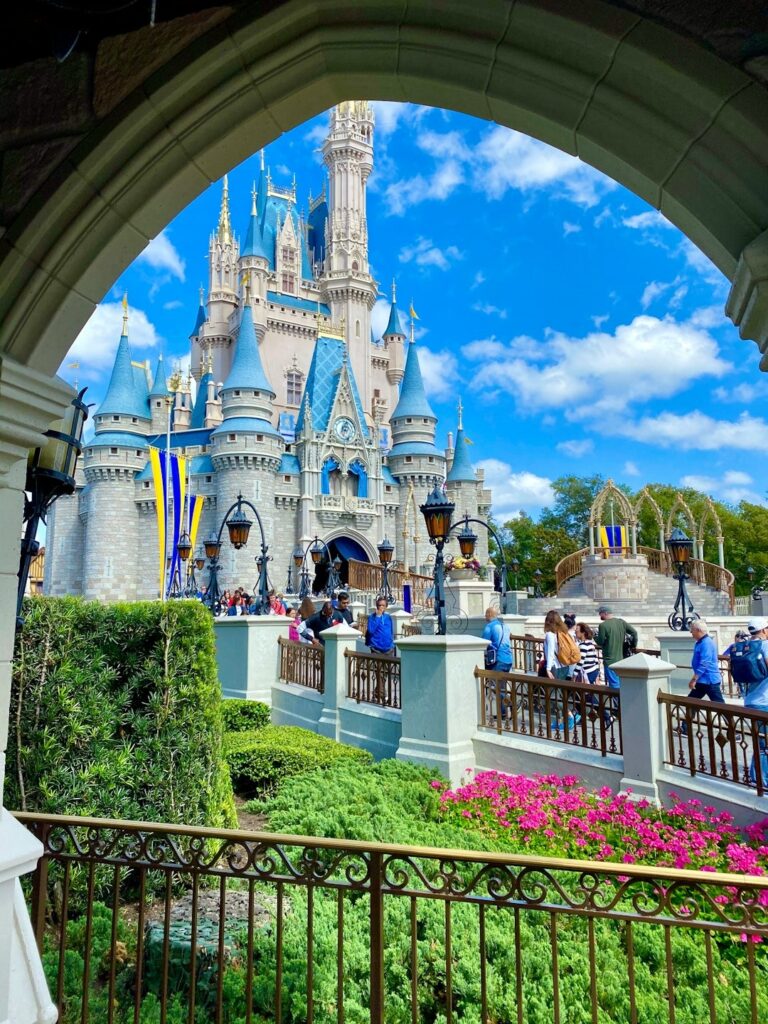
Emotional payoff. Magic Kingdom is the park. Cinderella Castle, Main Street, Space Mountain, the fireworks. For most families it is the reason they booked the trip. That is exactly why I rarely open with it. The thing you are most excited about is the thing you most want to protect, and protecting it usually means saving it.
Which Disney World Park Should You Visit First?
The honest answer: it depends on how long you’re staying, which is the whole point of the framework below. But a few defaults hold up regardless of trip length.
If you have never been, opening with Magic Kingdom orients you. It is the mental image of Disney World, and starting there gets the whole family speaking the same language for the rest of the week. That works best when you have the days to also close with it.
If your trip is short, or budget means fewer park days, start with Animal Kingdom instead. It is the most forgiving opener. It does not carry the “this is Disney World” pressure, so a family can ease in without feeling like they’re already behind. Pandora lands hard on a first look, and the safari genuinely surprises most first-timers.
What I would not do is open with Hollywood Studios cold. It hits harder per square foot than any other park, and you want some trip experience under your belt before Rise of the Resistance and Tower of Terror in the same day.
The Framework: It Depends on How Many Days You Have
If You Have 4+ Days: Start and End with Magic Kingdom
This is the ideal structure when time and budget aren’t the constraint.
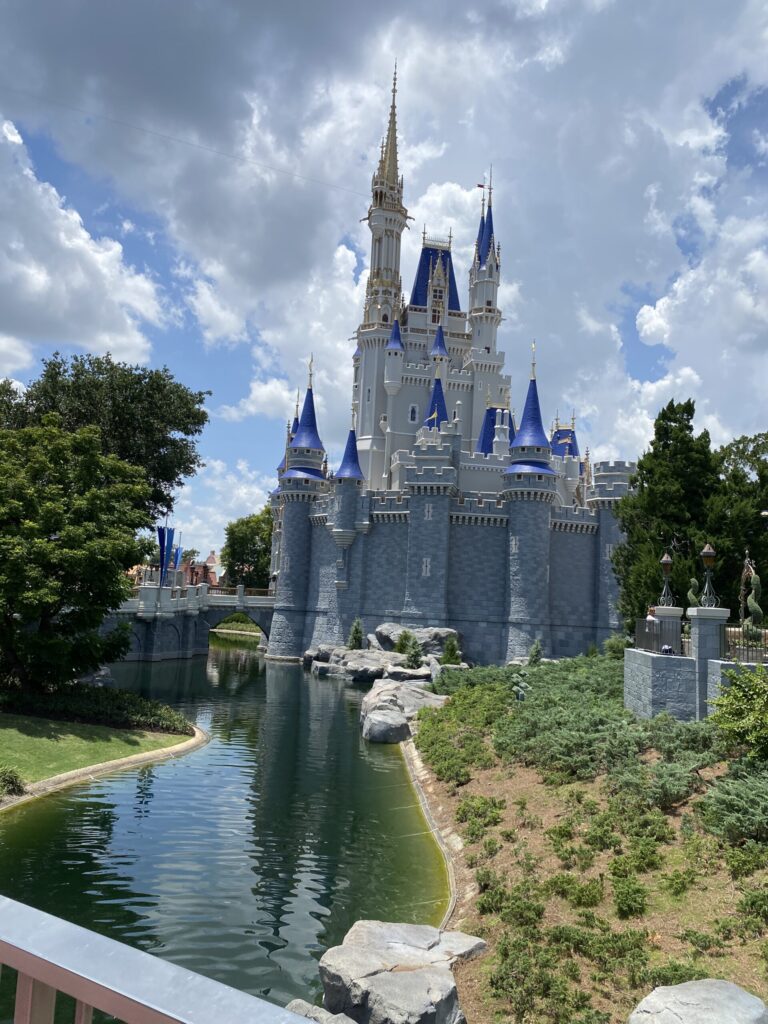
Day 1 (Magic Kingdom). Opening here contradicts what I said about protecting the best for last, but with four or more days you can afford both. You arrive fresh, the castle hits the way it’s supposed to, and you bank the biggest emotional moments early. It also calibrates first-timers, so the rest of the week has a reference point.
Days 2 and 3 (EPCOT and Hollywood Studios, order flexible). These are your middle days. EPCOT is massive and underrated. World Showcase alone eats hours if you’re doing it right. Hollywood Studios is more compact but relentless, especially if you’re chasing Slinky Dog Dash, Rise of the Resistance, and Tower of Terror. Both parks work well when energy is still solid and the novelty hasn’t worn off. If you want the tight ride-by-ride sequencing for the Studios day, I broke that down in Best Order to Do Hollywood Studios.
Day 3 or 4 (Animal Kingdom). People put Animal Kingdom at the end and shortchange it. It deserves a full morning. Pandora and Kilimanjaro Safaris alone justify an early start. The park also closes earlier than the others, so an afternoon finish here is fine. It preserves energy for what comes next.
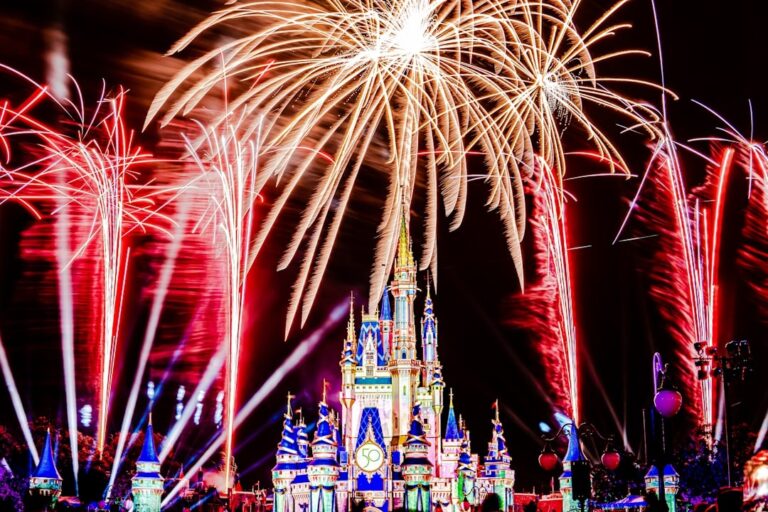
Final Day (Magic Kingdom again). The closer. You know the park now, so you skip what didn’t resonate, hit what you missed, and end the trip with the castle, Happily Ever After, and Main Street after dark. Closing with Magic Kingdom is the right emotional punctuation for a Disney World trip.
If You’re Constrained on Time or Budget: Reverse Park Order
When you can’t open and close with Magic Kingdom, I use what I call reverse park order: visiting the parks in the reverse sequence of when they opened.
The order: Animal Kingdom → Hollywood Studios → EPCOT → Magic Kingdom.
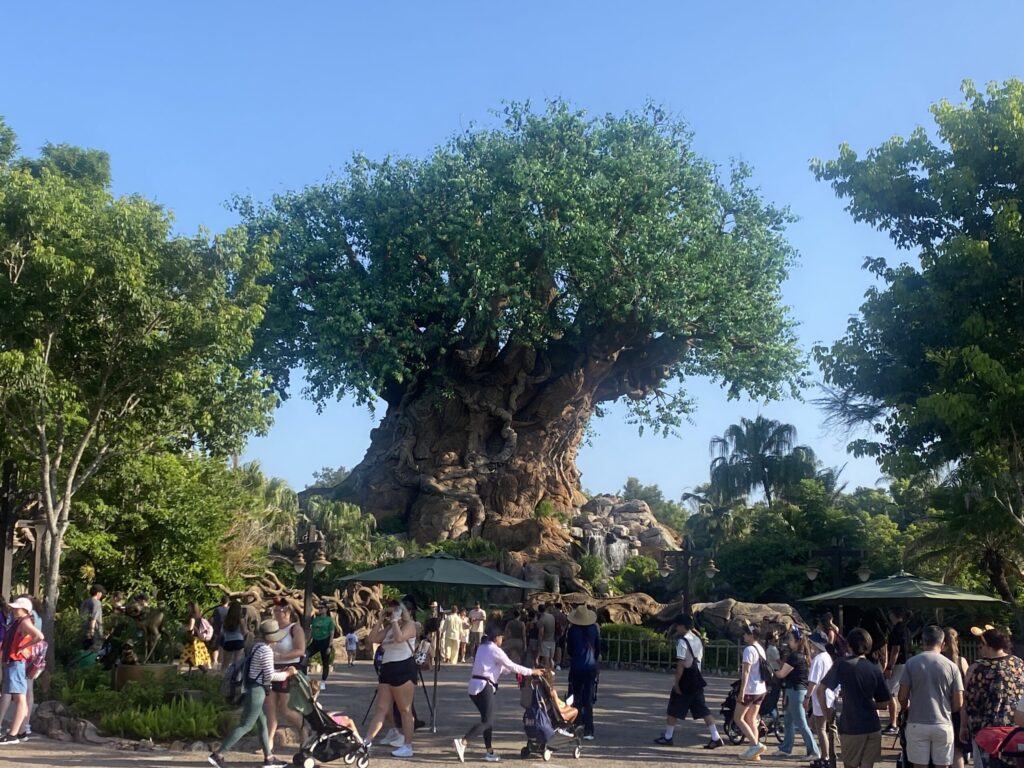
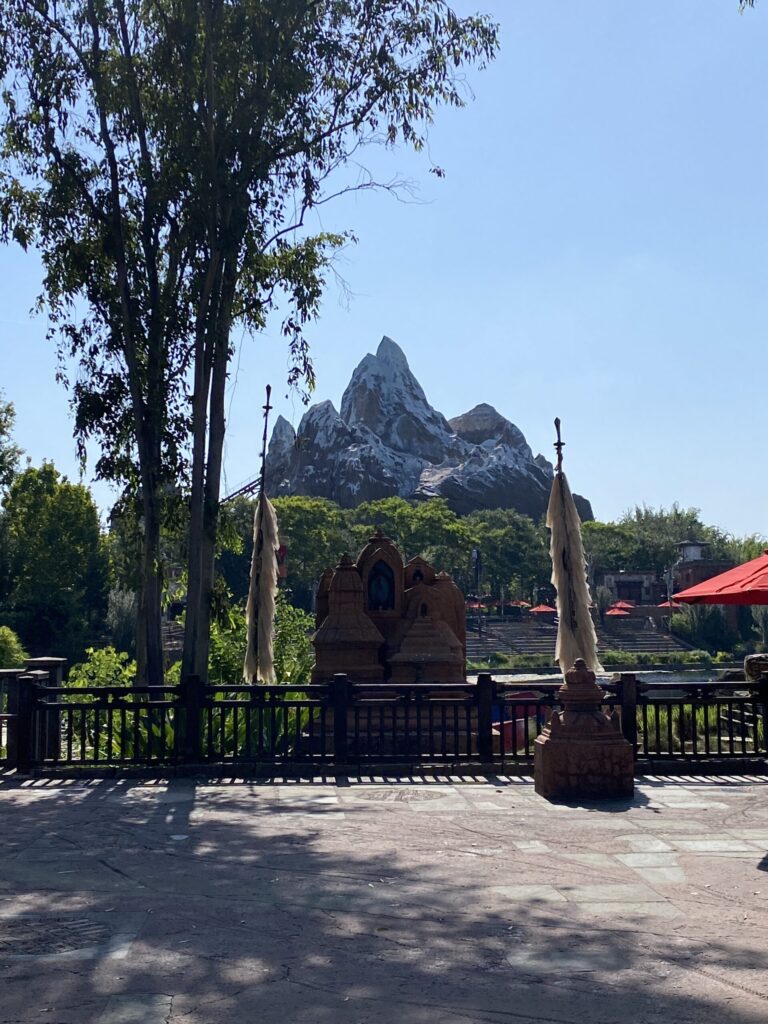
Animal Kingdom (opened 1998), Day 1. The most underrated park and the most forgiving opener. No “are we doing this right?” pressure, a stunning first look at Pandora, and an early win that doesn’t drain the tank.
Hollywood Studios (opened 1989), Day 2. The park that hits hardest per square foot. You want reasonable energy reserves here but also a little trip experience first. Day 2 is the sweet spot.
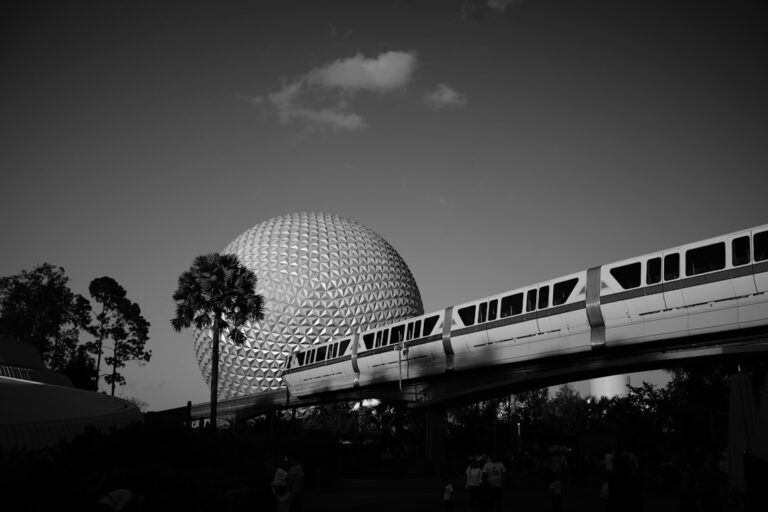
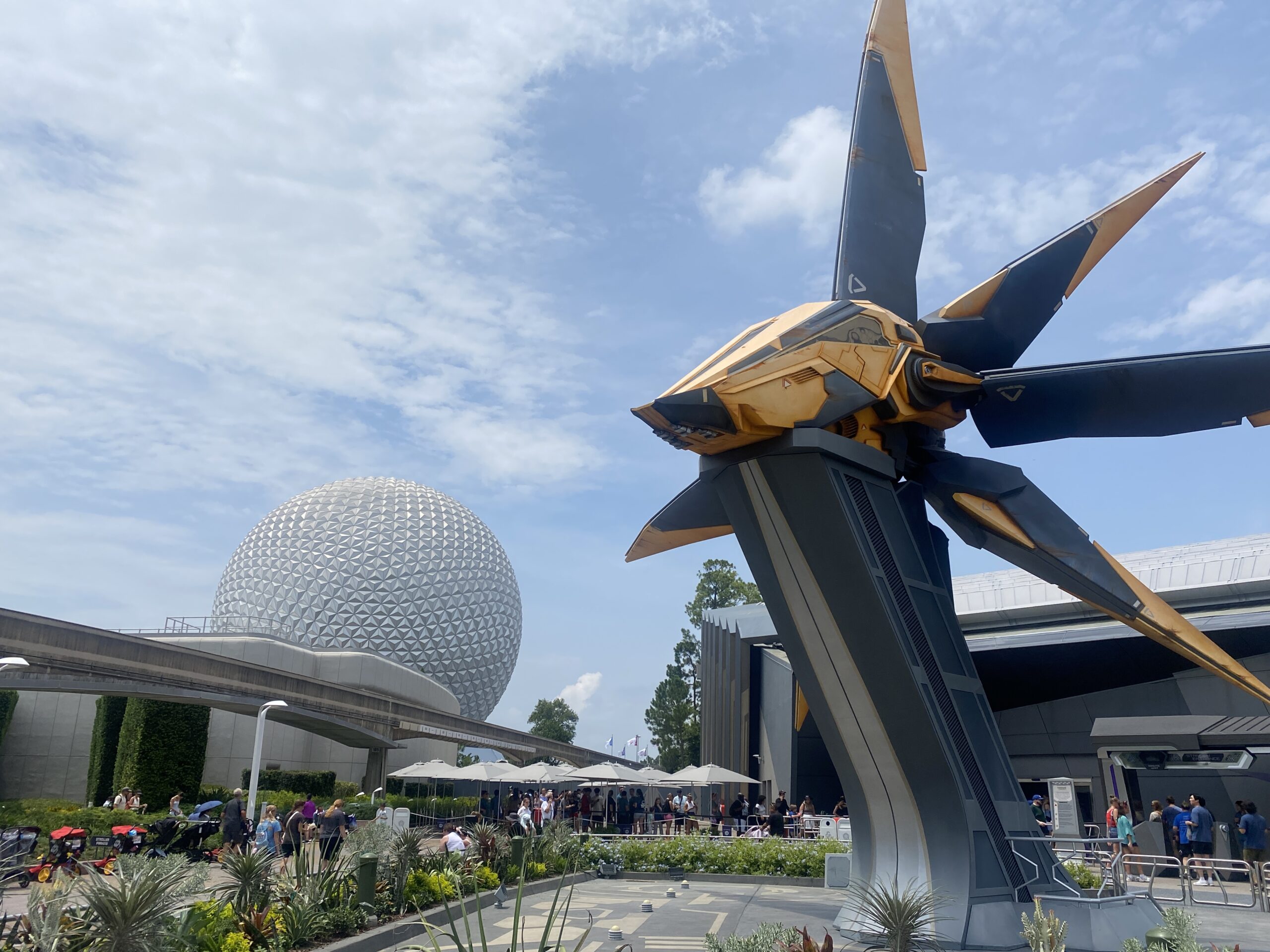
EPCOT (opened 1982), Day 3. The most walkable park, and it rewards a slightly slower pace. By Day 3 you’ve had the big thrills, so EPCOT’s blend of Guardians of the Galaxy: Cosmic Rewind, Test Track, Frozen Ever After, and World Showcase works as a decompression day before the finale. Long, but not punishing.
Magic Kingdom (opened 1971), Final Day. Save the best for last, on purpose. Ending with Magic Kingdom lands differently than opening with it. You are not overwhelmed and not still adjusting. You know exactly where you are and why you love it.
If You’re on a Short Trip (3 Days or Fewer): Compress and Prioritize
A three-day trip doesn’t have to feel like a compromise. It just needs deliberate choices about what you’re actually there to do.
Day 1 (Animal Kingdom and Hollywood Studios, combined). Rope-drop Animal Kingdom for Pandora and the safari. Its headliners front-load well, and it closes early anyway. By early afternoon, hop to Hollywood Studios. You won’t do everything, but you can hit the marquee rides. Rise of the Resistance is Lightning Lane Single Pass, so book it the moment your window opens rather than counting on standby. The compact Studios layout means you’re not backtracking, which is what makes two parks in one day workable here.
Day 2 (EPCOT). Give it the full day. If you’re visiting with kids, work the front of the park (the neighborhoods formerly grouped as Future World) in the morning and let World Showcase build across the afternoon and evening. EPCOT is at its best after dark.
Day 3 (Magic Kingdom). The finale, full day, no compromises. Book your Lightning Lane selections early, rope-drop Main Street, and stay for Happily Ever After. This is the day the whole trip was built around.
One Park Per Day vs. Park Hopper
The framework above assumes one park per day, which is how most first trips should run. Hopping sounds efficient and usually isn’t, because the transit and re-entry tax eats the time you think you’re saving. The 2 PM hopping restriction went away in January 2024, so you can hop earlier now, but “can” is not “should.”
Where a Park Hopper earns its cost is the short-trip combined day (Animal Kingdom into Hollywood Studios), and the occasional evening pivot into EPCOT for dinner in World Showcase. If your trip is four days or more with one park per day, you probably don’t need it. If you’re compressing, it’s worth the upcharge.
A Word on Energy Management and Magic Kingdom
Magic Kingdom is physically demanding in a way the other parks aren’t. It isn’t necessarily bigger than EPCOT, but it’s denser, busier, and runs at a higher emotional pitch from open to close. Crowds are consistently the highest of any park, waits run long even with Lightning Lane, and if you have young kids, the sensory load is real.
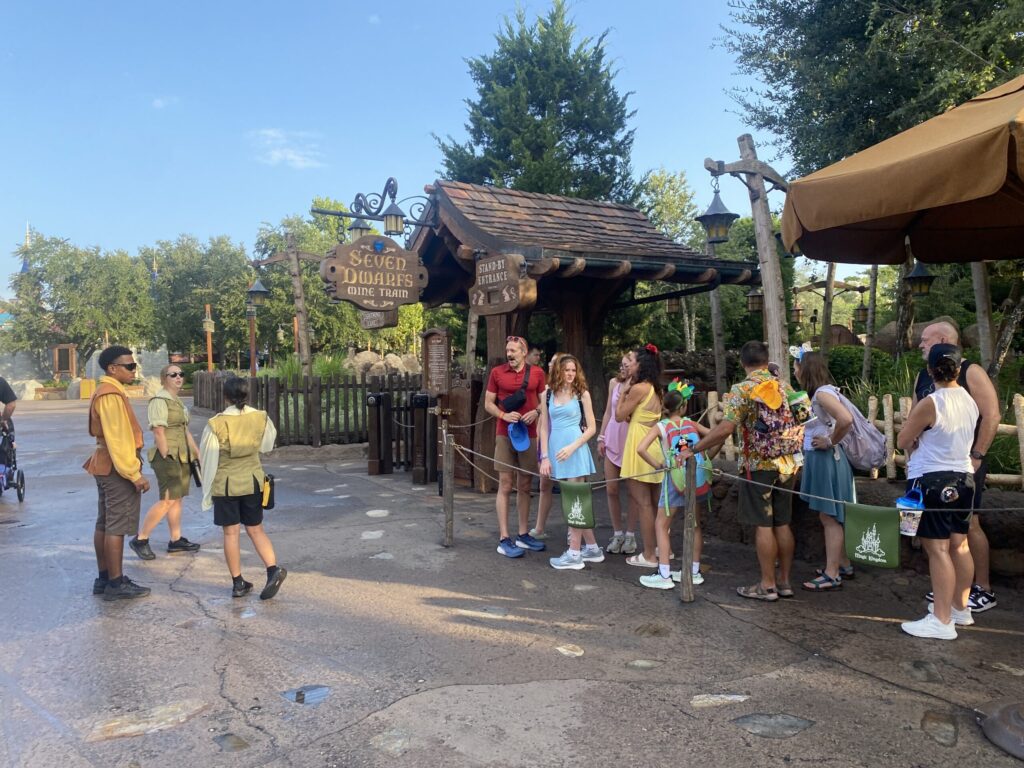
That is exactly why closing the trip here takes intention. Go in with a plan, not a wishlist. Know which rides need Lightning Lane Single Pass (Seven Dwarfs Mine Train and TRON Lightcycle Run), book table-service dining well in advance, and don’t underestimate a mid-day break back at the resort. The park is a marathon, and the families who enjoy it most treat it that way.
Disney’s official park hours page is worth checking before you finalize any of this. Hours shift, early closures happen for private events, and a surprise 6 PM close can wreck a finale you’ve been building toward all week.
The Best Order to Visit Disney World Parks: The Bottom Line
| Trip Length | Park Order | Logic |
|---|---|---|
| 4+ days | MK → EPCOT → HS → AK → MK | Open and close with the emotional anchor |
| 3–4 days (constrained) | AK → HS → EPCOT → MK | Reverse chronological, build to the finale |
| 3 days or fewer | AK + HS (combined) → EPCOT → MK | Compress the first two, protect EPCOT and MK |
The goal was never to see everything. It’s to sequence the experience so each day builds on the last and the trip ends on the highest possible note. Magic Kingdom closing out your week isn’t just strategy. It’s the right ending for a Disney World vacation.
If you’re still deciding how many park days you actually need before you can sequence them, start with How Many Days at Disney World Do You Actually Need? Once you’ve locked the number, the Disney World Itinerary Planner turns this framework into a day-by-day plan.
When in Doubt: Use our Calculator Tool
Disney World Park Order Calculator
Tell me how long you’re in the parks and I’ll lay out the order that actually works.
Park order is the skeleton. To get the rest of it, turn that order into a day-by-day itinerary with rope drop times, afternoon breaks, and dining slotted in where they fit.
Frequently Asked Questions
Which Disney World park should I visit first?
On a longer trip (4+ days), open with Magic Kingdom to orient the family and bank the big emotional moments early, then close with it too. On a short or budget-limited trip, start with Animal Kingdom instead. It’s the most forgiving opener and carries the least pressure.
What is the best order to visit Disney World parks on a 4-day trip?
Reverse park order works best when you can’t bookend with Magic Kingdom: Animal Kingdom, then Hollywood Studios, then EPCOT, then Magic Kingdom last. You build from the most forgiving park to the emotional finale.
Should I do Magic Kingdom first or last?
Both, if you have four or more days. Opening with it orients first-timers and closing with it delivers the finale. If you only have three days or fewer, save it for last. Ending with Magic Kingdom lands harder than opening with it.
Is a Park Hopper worth it for sequencing the parks?
For most one-park-per-day trips of four days or more, no. It’s worth the upcharge on a compressed trip, specifically the Animal Kingdom into Hollywood Studios combined day, or an evening pivot into EPCOT for dinner in World Showcase.
Can I still only hop after 2 PM?
No. The 2 PM park hopping restriction was lifted in January 2024, so you can hop earlier in the day now. Just know that transit and re-entry usually cost more time than hopping saves.
Magical Blueprint is an independent Walt Disney World fan site. It is not affiliated with, endorsed by, or sponsored by The Walt Disney Company or its affiliates. Walt Disney World, Magic Kingdom, EPCOT, Disney’s Hollywood Studios, Disney’s Animal Kingdom, Lightning Lane, Happily Ever After, and all related names, attractions, and logos are trademarks of The Walt Disney Company, used here for identification and editorial commentary only under nominative fair use.
Attraction lineups, park hours, Lightning Lane tiers and availability, nighttime show schedules, and park policies change frequently and are subject to change without notice. Verify all details on the official Walt Disney World website before making plans.
The recommendations here reflect my own opinions and firsthand experience. I received no compensation from Disney or any third party for this post.