The Best Time to Ride Disney World Rides, Hour by Hour (2026)
The best time to ride Disney World rides is not a single hour you can circle on a schedule. It is a different hour for almost every attraction. Space Mountain, Peter Pan’s Flight, and the PeopleMover each have a cheapest window, and those windows land at completely different points in the day. Ride all three at the wrong times and you can lose two hours of your day to lines you never needed to stand in.
This is a timing guide. It answers one question: given where you are standing and what time it is, is this a good moment to get in line, or should you come back? The reason a ride behaves the way it does across a day comes down to its attraction type, which is the backbone of the Component Method. Start there for the full framework. This page takes that framework and turns it into a clock.
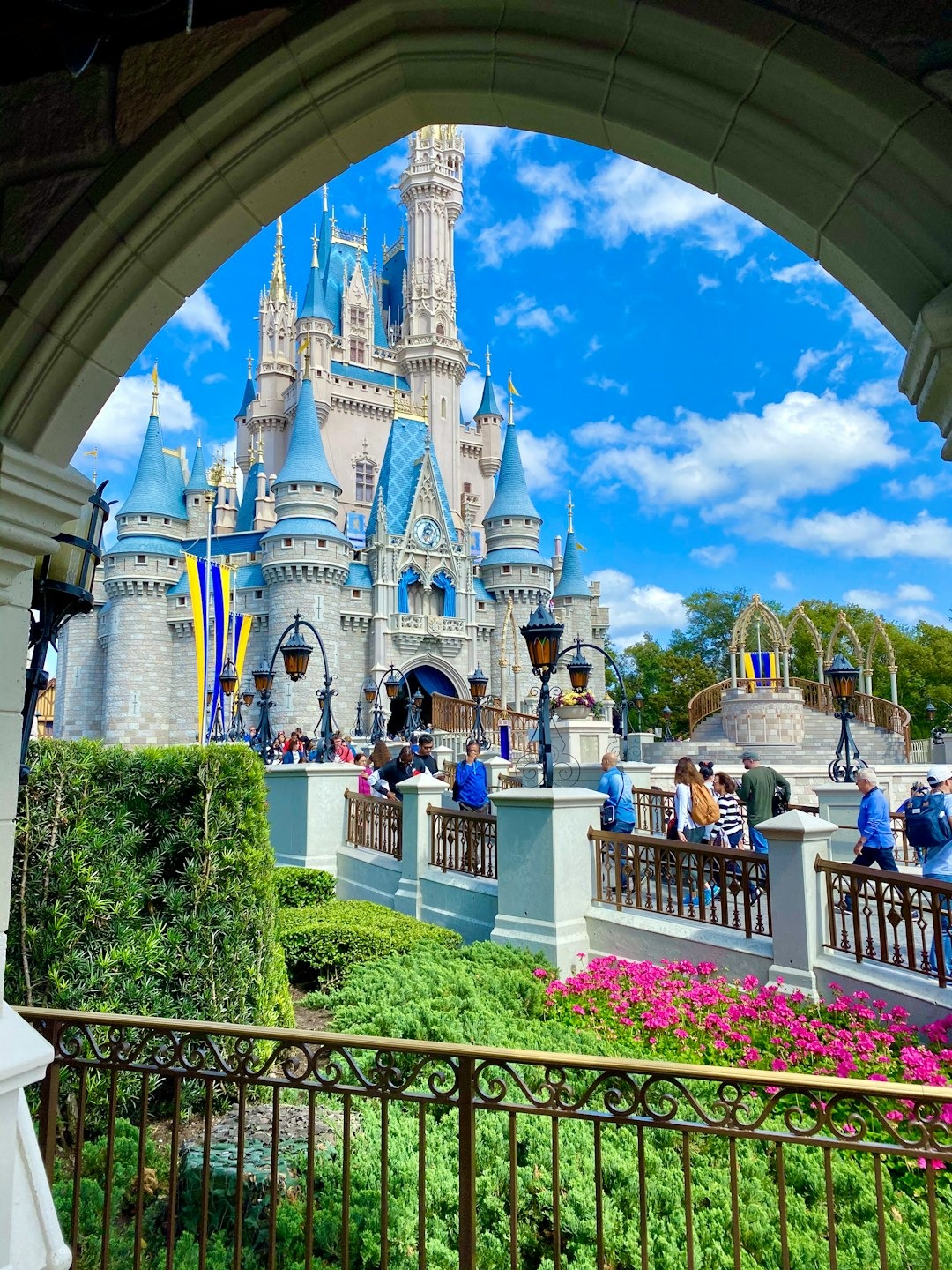
Table of Contents
The Short Answer on the Best Time to Ride Disney World Rides
Every attraction sorts into one of four behavior types, and each type has its own cheapest window. The four are defined in full inside the Component Method. For timing purposes, here is all you need to hold in your head:
E-Ticket. The headliners. Space Mountain, Big Thunder Mountain, Flight of Passage, Rise of the Resistance. Their waits build fast after opening, stay high through the afternoon, and ease only in the last hour or two. Cheapest at rope drop or right before close.
Perpetual Queue. Rides with poor throughput and steady demand, like Peter Pan’s Flight, Winnie the Pooh, and Na’vi River Journey. They never develop a lull. Cheapest at the earliest window you can reach, and almost nowhere else.
High Capacity. Theaters and continuous-load rides that swallow crowds without building a line: the Hall of Presidents, Mickey’s PhilharMagic, the PeopleMover, “it’s a small world.” Roughly flat all day, so the clock barely matters.
Low Demand. Quiet rides that stay short because few people want them, like Journey Into Imagination. Short at almost any hour.
Once you know which type you are looking at, the best time to ride Disney World rides in that category is close to automatic. Two of the four types care intensely about timing. The other two barely care at all. That is the whole game.
The Two Windows That Beat Every Other Hour
If you remember nothing else, remember this: the first hour the park is open and the last hour before it closes are the two cheapest stretches of the entire day. Waits are near the floor at both ends and peak in the wide middle. Most of the timing advice below is just a more precise version of “spend your best rides at the edges of the day.”
The reason those two windows exist is simple. In the morning the crowd has not fully arrived yet. At night a large share of guests have left, gone to dinner, or stopped riding to hold a fireworks spot. In between, everyone who is in the park is trying to ride at once. A headliner that posts 20 minutes at 9:10 AM and 25 minutes at 9:30 PM will post 60 or more for the eight hours in the middle. Same ride, three completely different prices.
So the strategy writes itself. Put your line-sensitive rides at the edges. Fill the middle with the rides that do not care what the crowd is doing. Everything that follows is which rides go where.
Rope Drop and Early Entry: The First Hour
The first hour is where you win the day, and it belongs to two types: E-Tickets and Perpetual Queues. Both are cheapest now and expensive later, so this is the window you protect.
There is a real decision inside that first hour, though, and most guests make it backward. The instinct is to sprint to the single biggest ride you can reach. Sometimes that is right. Often it is not. The better question is not “what is the most popular ride here,” it is “what will I never get cheaply again.”
At Magic Kingdom, Early Park Entry opens Fantasyland and Tomorrowland. Your real choice is one E-Ticket or three Perpetual Queues. Take the Perpetual Queues. Peter Pan’s Flight, “it’s a small world” if it is running, and Winnie the Pooh will not be short again at any point in your day, while a coaster like Space Mountain has a late-night window waiting for it. Three cheap rides beat one, and you banked the three that had no other cheap window.
If you are staying on property, Early Park Entry is the version of this window Disney hands you for free, thirty minutes before the general public. It is the single most valuable half hour of the day, and the park-by-park guides break down exactly which ride to grab first at each one.
If you are not there for Early Entry, ordinary rope drop still works. The crowd builds over the first 60 to 90 minutes, so being through the tapstiles when the park opens buys you a shrinking but real head start on the day’s worst lines.
Late Morning to Mid-Afternoon: The Ugly Window
Somewhere around 11 AM the day turns. By noon, standby on nearly every E-Ticket is posting 45 minutes or more, the Perpetual Queues are as bad as they get, and the park is at full population. This roughly 11 AM to 4 PM stretch is the worst time to ride Disney World rides on standby, and it is exactly where most guests waste their afternoon.
It is also where the High Capacity type earns its keep. Theaters and continuous-load rides absorb crowds instead of holding them, so their waits barely move even at the daily peak. The correct play is to park these rides directly in your ugliest window on purpose. While everyone else is grinding through a 55-minute headliner line, you walk into the Hall of Presidents, Mickey’s PhilharMagic, Country Bear Jamboree, or the PeopleMover with little to no wait. In Central Florida that hour is also usually the hottest of the day, so the air conditioning is not a small bonus.
Low Demand rides belong here too. A ride that stays near walk-on regardless of the crowd, like Journey Into Imagination, is a fine way to fill the middle of the day. You are not sacrificing anything by riding it now, because it will not be any shorter later.
The mistake to avoid in this window is standing in a long standby line for a headliner out of a sense that you should be riding the “good” rides during the “good” part of the day. This is the good part of the day to ride the rides that do not care about crowds. Save the headliners for when they are cheap again.
If an afternoon of theaters and slow boats is not the vacation your family paid for, that is the specific problem Lightning Lane solves. It drops a headliner into this window without the standby cost. Whether that is worth the money depends entirely on your party, and you can put a real number on it with the Lightning Lane Cost Calculator.
The Last Hour Before Close, and After Fireworks
The back end of the day is the second cheap window, and it is the time to circle back to the E-Tickets you skipped this morning. As closing approaches, a meaningful share of the crowd has left or stopped riding, and headliner waits fall off. Big Thunder Mountain and Space Mountain both run better after dark, and TRON Lightcycle / Run is meaningfully cheaper at night than it is at any other point. Riding a coaster in the dark is often the better experience anyway, so the cheapest window and the best window line up.
There is a specific pocket worth naming: the fireworks show. When the nighttime spectacular starts, a large portion of the park stops moving to watch it. If you are willing to skip the show on one night of your trip, or catch it from inside a queue, ride waits during and immediately after fireworks are some of the lowest you will see all day. This is a genuine trade, not a free lunch, because the show is part of why you came. But if you have multiple park days, spending one fireworks slot riding instead of watching can clear two or three headliners in the time it takes the finale to run.
After the park’s official close, guests already in line are allowed to finish riding. Joining a standby queue a few minutes before closing time is one of the most reliable ways to ride a headliner with a fraction of its daytime wait.
Best Time to Ride by Attraction Type
Here is the entire timing logic in one place. The columns are the three broad windows. The verdict tells you when to spend the ride and when to avoid it.
| Attraction type | Rope drop / first hour | Midday (11 AM–4 PM) | Last hour + fireworks | Verdict |
|---|---|---|---|---|
| E-Ticket | Cheapest | Worst | Cheap again | Ride at the edges. Never on standby midday. |
| Perpetual Queue | Only cheap window | Bad | Bad | Ride first thing or use Lightning Lane. Do not save it. |
| High Capacity | Wasteful | Ideal | Wasteful | Park it in your worst hour. Do not spend a morning slot on it. |
| Low Demand | Wasteful | Ideal filler | Fine | Use to fill gaps. Never build the day around it. |
The two rows that punish bad timing are E-Ticket and Perpetual Queue. Read those two right and you have captured most of the value. The bottom two rows are forgiving, which is exactly why they belong in the hour when nothing else is.
The Rides Where Timing Cannot Save You
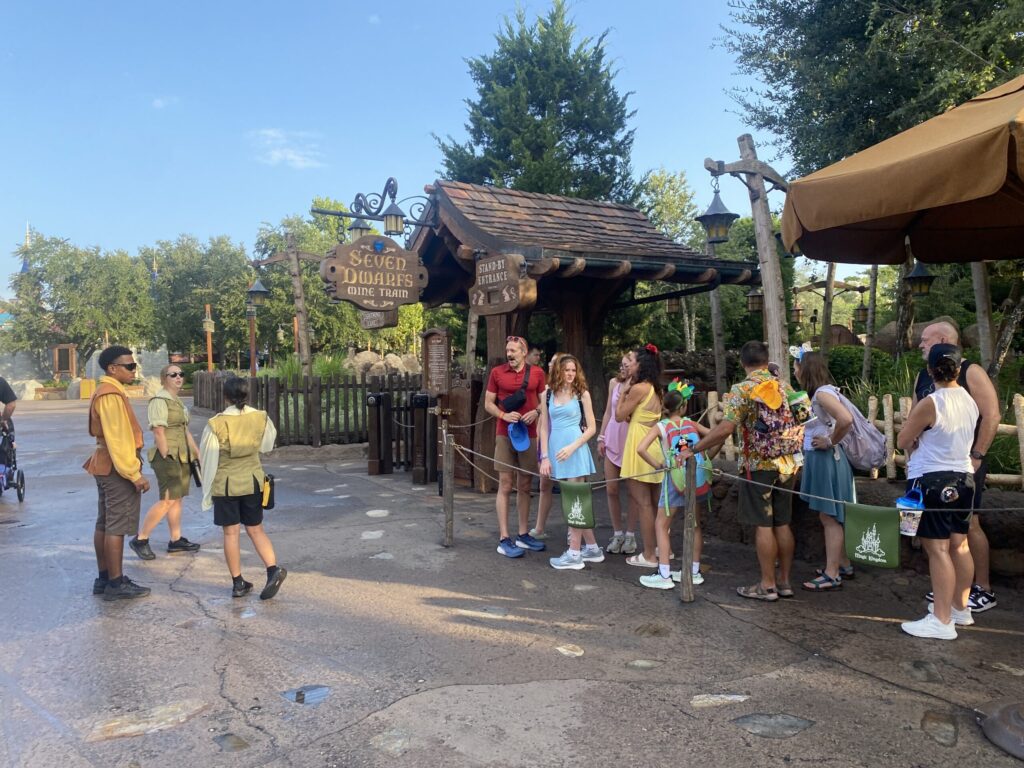
A timing guide has to be honest about its limits. A handful of rides hold a long wait for most of the operating day and never develop a window worth waiting for. The clearest example is Seven Dwarfs Mine Train, which posts near an hour from late morning until well into the evening and is not part of Lightning Lane Multi Pass. Early Park Entry barely dents it. It has E-Ticket demand with poor throughput, so there is no cheap hour to reroute toward.
For rides like this, there is no clever window. You have three options and no others: stand in the standby line and accept the cost, buy a Single Pass on top of your ticket, or skip it. The individually purchased headliners, such as Flight of Passage, Guardians of the Galaxy: Cosmic Rewind, TRON, and Rise of the Resistance, fall into the same bucket when their standby lines are long. Timing helps at the margins. It does not manufacture a short line that the ride never produces. Anyone promising a secret window on Seven Dwarfs is selling something.
How the Best Time Shifts by Park
The four types behave the same everywhere, but a few park-specific quirks change the plan.
Magic Kingdom holds the most Perpetual Queue rides of any park, which is why its first hour goes to Fantasyland rather than to a coaster. Walking distances are short, so chasing a wait that just dropped across the park is usually worth it.
EPCOT works like two parks. The front holds most of the anchors, and World Showcase is a long walk that opens later in the day, which makes it the natural home for your worst crowd window.
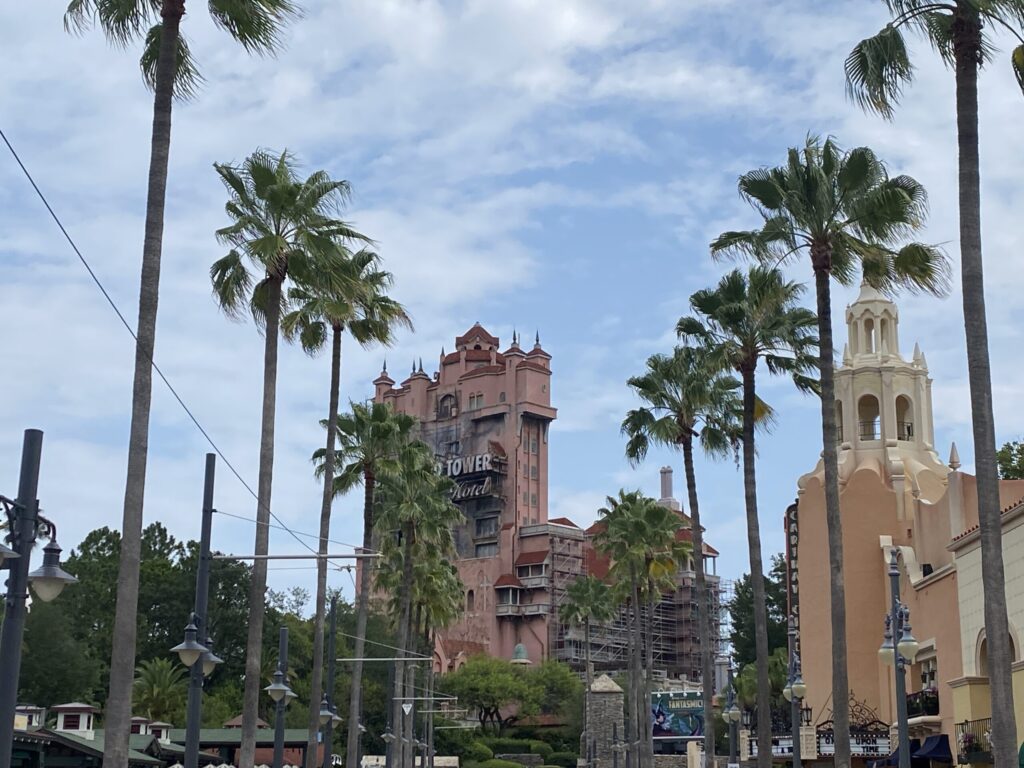
Hollywood Studios carries the highest sustained waits on property and puts its two biggest must-dos at opposite ends. The first hour matters more here than at any other park, because there is very little cheap time later.
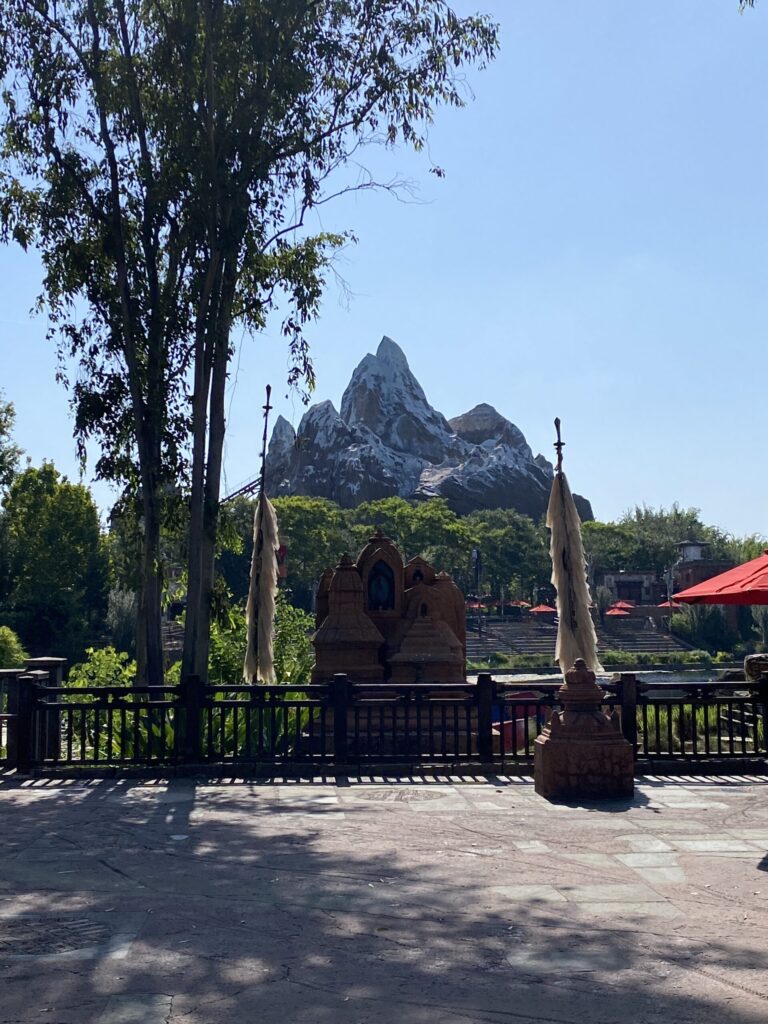
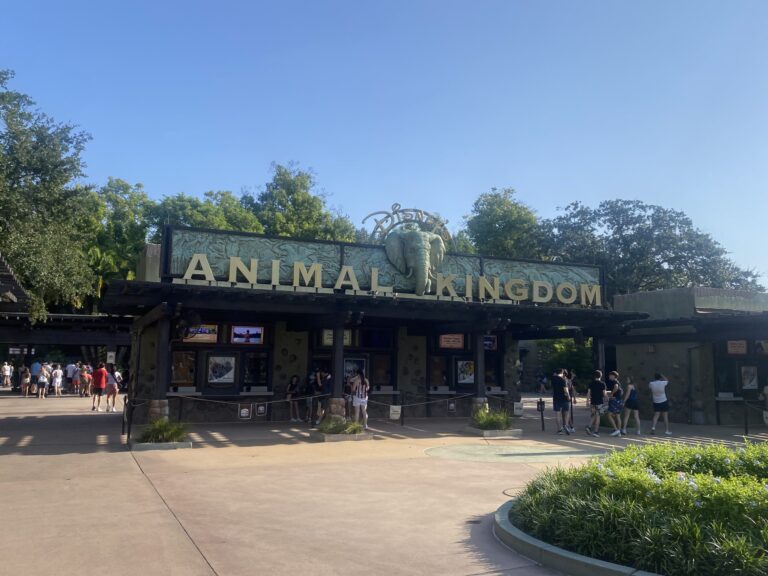
Animal Kingdom adds a wrinkle the others do not have: time of day changes the attraction itself, not just the line. Kilimanjaro Safaris shows more animal activity in the cool early hours and closes well before the park does, so the morning is both the cheapest wait and the better experience. That is a rare case where timing the ride and timing the wait point to the same answer.
If you are still deciding the order to visit the four parks across your whole trip, that is a separate layer of planning covered in Best Order to Visit Disney World Parks. And if you want to see this timing logic run at maximum difficulty, riding every ride at Disney World in one day is the framework pushed to its breaking point.
Park hours and Early Entry times shift week to week, so confirm your dates on the official Walt Disney World calendar before you build a morning around them.
The Bottom Line on the Best Time to Ride Disney World Rides
The best time to ride Disney World rides is whichever hour is cheapest for the specific ride in front of you, and that hour is set by the ride’s type, not by where it sits on your list. Put E-Tickets and Perpetual Queues at the edges of the day, when they are near their floor. Fill the ugly middle with High Capacity and Low Demand rides that do not care about the crowd. Accept that a few rides have no good window at all and plan to pay, wait, or skip. Do that consistently and you will ride more and wait less than a family that planned a tidy hour-by-hour list and watched it fall apart by 10:40 AM.
For the framework underneath all of this, including how to classify a ride you have never tried and how to build the full day, start with the Component Method.
Frequently Asked Questions
What is the best time to ride Disney World rides?
There is no single best time, because it depends on the attraction. Headliners (E-Tickets) and low-throughput rides (Perpetual Queues) are cheapest in the first hour after opening and again in the last hour before close. Theaters and continuous-load rides (High Capacity) stay flat all day, so ride those during the busy midday hours when everything else is expensive.
When are the shortest lines at Disney World?
The first hour the park is open and the last hour before it closes. Waits are near their daily low at both ends and peak in the wide middle of the day. Standby waits during and immediately after the nighttime fireworks are also unusually low, because a large share of the crowd stops riding to watch.
What time should I ride the big roller coasters?
At rope drop or in the final hour before close. E-Ticket coasters like Space Mountain and Big Thunder Mountain build long standby waits by late morning and hold them through the afternoon. Both also run better after dark, so the cheapest window and the best experience line up at night.
What should I ride in the middle of the day?
High Capacity attractions and Low Demand rides. Theaters like the Hall of Presidents and Mickey’s PhilharMagic, and continuous-load rides like the PeopleMover, barely build a line even at peak crowd, so parking them in your worst window costs you almost nothing. It is also the hottest part of the day, and most of these are indoors and air conditioned.
Can timing get me a short wait for Seven Dwarfs Mine Train?
No. Seven Dwarfs holds a wait near an hour for roughly eight hours a day and does not meaningfully drop until close to park closing. It is not available on Lightning Lane Multi Pass. Your only options are to wait in standby, buy a Single Pass, or skip it.
Do posted wait times match the real wait?
Posted waits usually run longer than the actual wait, and the gap is widest in the first hour after opening, when the queue is being padded rather than measured. If a line physically ends well short of where a long queue would reach, trust what you see over the sign.
Magical Blueprint is an independent fan and travel-planning resource and is not affiliated with, endorsed by, or sponsored by The Walt Disney Company. Walt Disney World, Magic Kingdom, Tiana’s Bayou Adventure, Jungle Cruise, Big Thunder Mountain Railroad, Space Mountain, TRON Lightcycle/Run, Seven Dwarfs Mine Train, Buzz Lightyear’s Space Ranger Spin, Peter Pan’s Flight, Mickey’s PhilharMagic, Country Bear Jamboree, the Hall of Presidents, Carousel of Progress, and all other Disney park names, attraction names, and related marks are trademarks of The Walt Disney Company.