Did Disney Make the Right Decision Replacing The Great Movie Ride?
If you had asked me on August 13, 2017, whether Disney was making the right decision by closing The Great Movie Ride, my answer would have been immediate.
“No.”
Nine years later, my answer is…well, it’s a little more complicated.
Time has a funny way of changing perspective. Emotions cool. Nostalgia fades just enough to let logic creep in. We stop focusing on what was lost and start evaluating what was gained. After nearly a decade, I think we finally have enough distance to answer the question fairly.
Was replacing The Great Movie Ride with Mickey & Minnie’s Runaway Railway the right decision. From a business standpoint, probably. From the standpoint of preserving what made Disney’s Hollywood Studios unique? I’m not so sure.
Because while Disney replaced an aging attraction with one that’s objectively more popular, they also removed something much bigger than a ride.
They removed the heart of the park’s original identity.
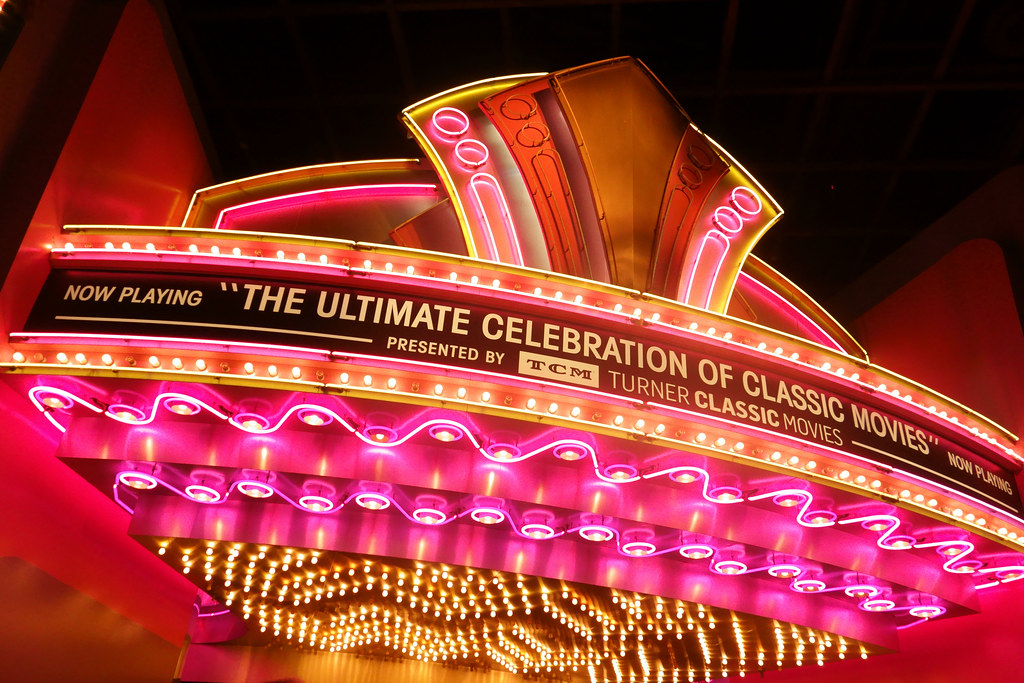
Table of Contents
The Great Movie Ride Was Never Just Another Attraction
To understand why this debate still exists nine years later, you have to remember what Disney’s Hollywood Studios was originally designed to be.
When the park opened in 1989 as Disney-MGM Studios, it wasn’t meant to transport guests into fictional worlds. That was Magic Kingdom’s job. Instead, Disney-MGM Studios was built to celebrate Hollywood itself.
- Movies.
- Television.
- Animation.
- Special effects.
- Behind-the-scenes production.
- The people who made movie magic possible.
Everything about the park reflected that philosophy. The entrance resembled a working studio. Streets looked like Hollywood backlots. Attractions pulled back the curtain on filmmaking instead of asking you to become part of the story.
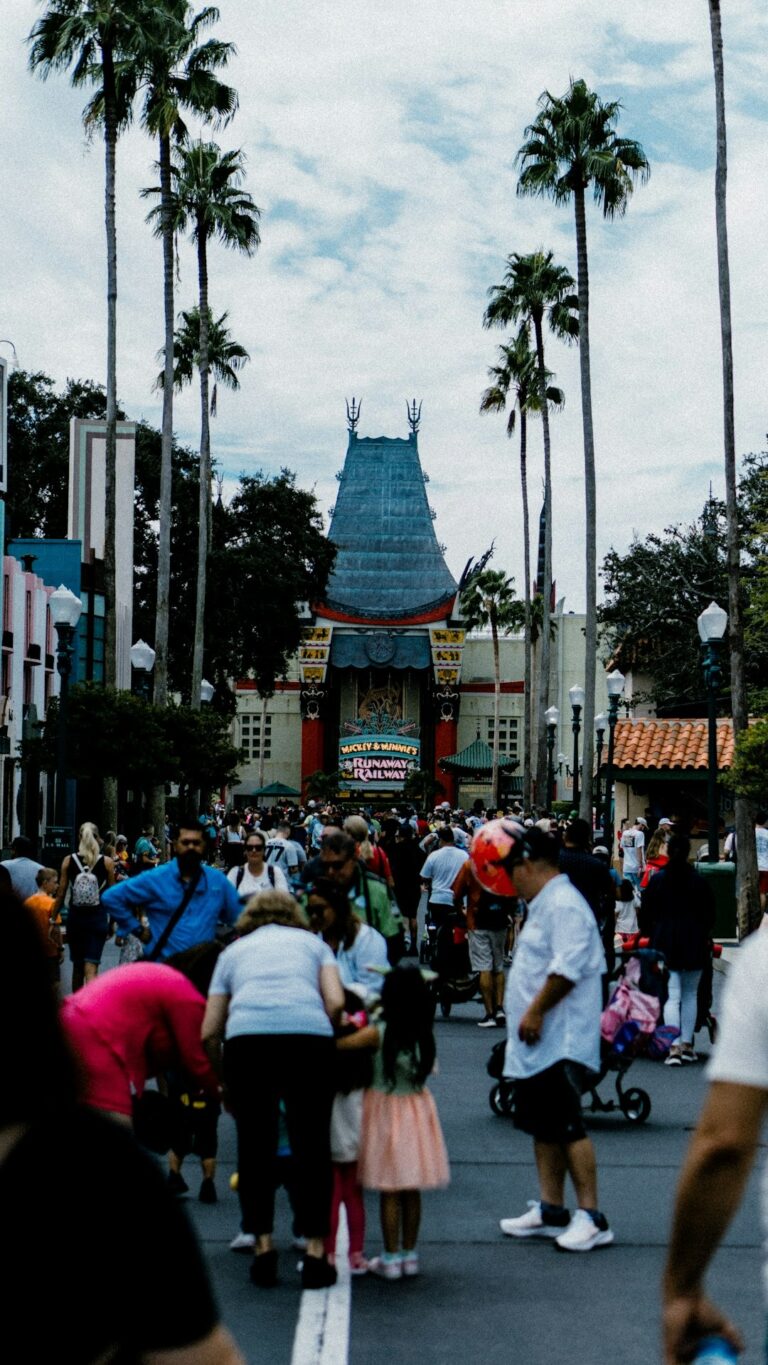
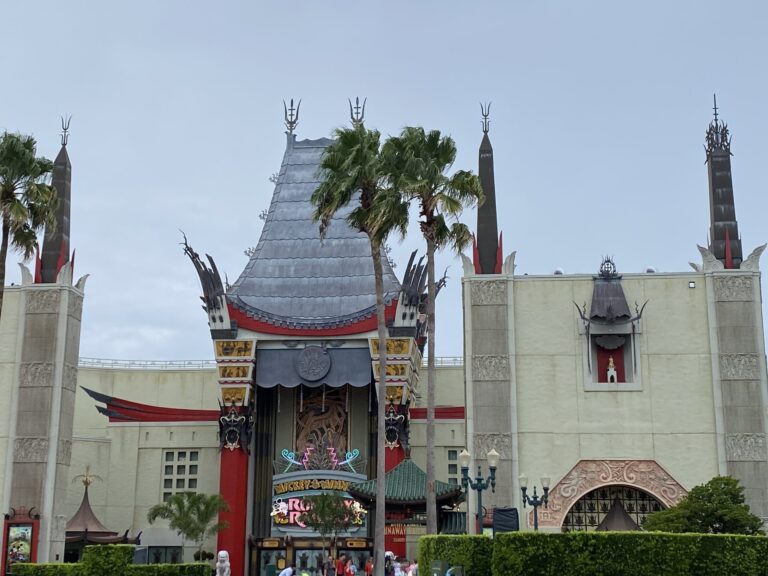
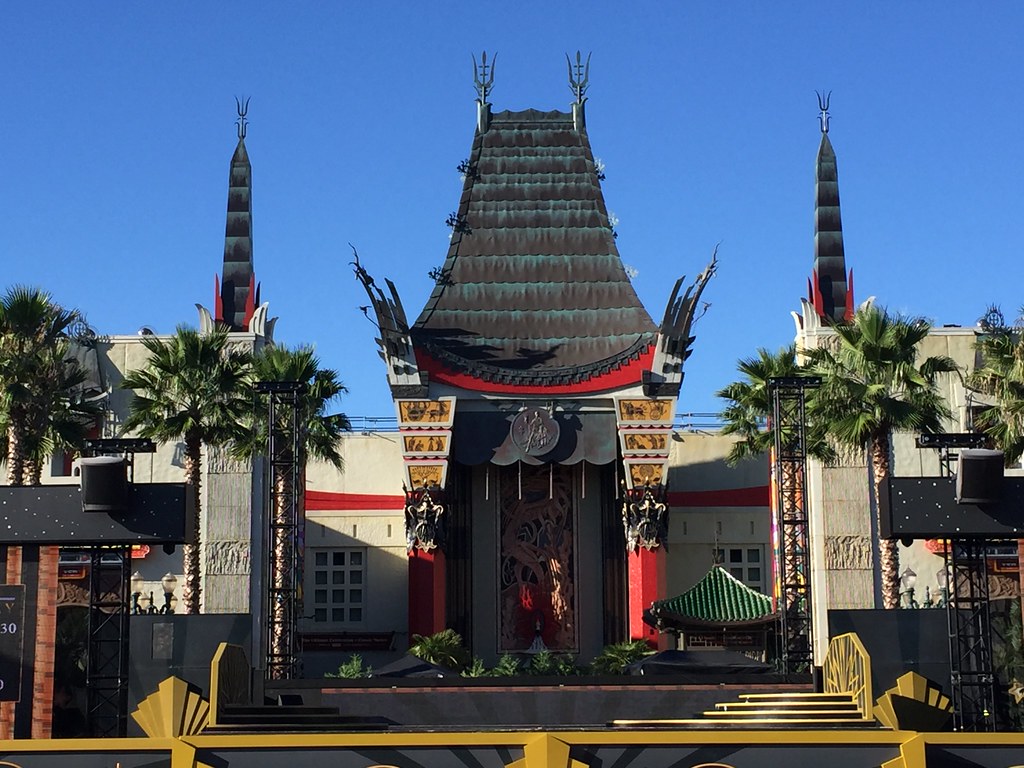
And sitting at the end of Hollywood Boulevard was the park’s unmistakable icon: the Chinese Theatre. Inside that theater was The Great Movie Ride. It wasn’t just the park’s headline attraction. It was the attraction that explained the entire park.
If someone asked, “What is Disney-MGM Studios about?” the answer was waiting inside that theater.
A Love Letter to Cinema
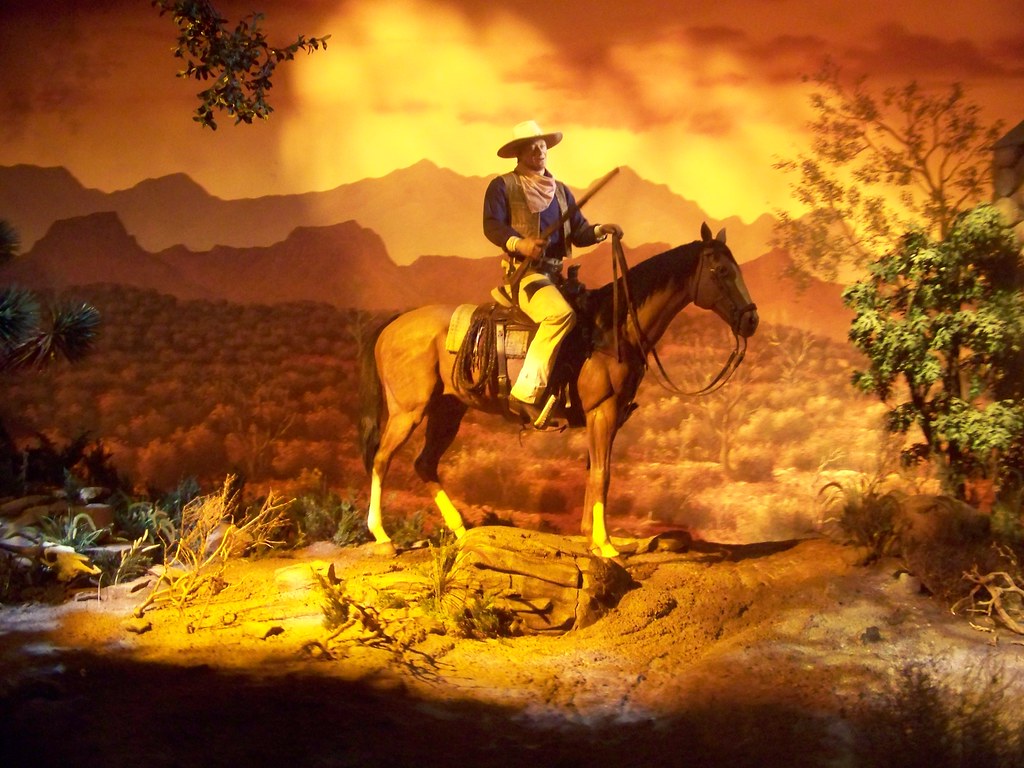
The Great Movie Ride didn’t belong to one franchise. It belonged to film history. Guests traveled through scenes from classics like Casablanca, The Wizard of Oz, Singin’ in the Rain, Mary Poppins, The Public Enemy, Alien, Raiders of the Lost Ark, and dozens of others. For older guests, it was nostalgic. For younger guests, it was educational. Sure, not every child had seen Casablanca. Most probably hadn’t.
But that’s what made the attraction different. It introduced guests to movies they might never have discovered otherwise.
I can’t honestly say The Great Movie Ride made me rush home and watch every classic film it featured, but it absolutely sparked my curiosity. It made those movies feel important. It suggested there was an entire history of filmmaking worth appreciating, even if I wasn’t old enough to understand all of it yet.
That’s not something many attractions can claim.
Today, almost every Disney ride asks guests to step inside a familiar intellectual property. The Great Movie Ride asked guests to appreciate the art form itself.
That distinction matters.
It Was an Attraction That Grew Up With You
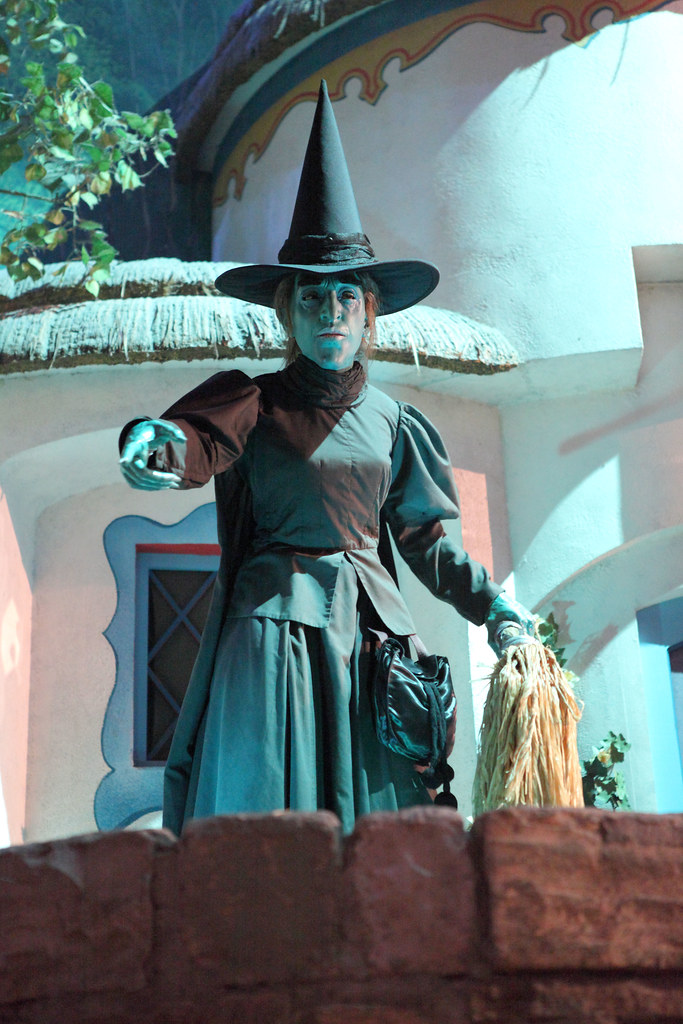
One of my favorite things about The Great Movie Ride is that it changed as you got older. As a kid, I loved the action. The gangster hijacking the ride vehicle. The shootout. The giant Alien bursting from the darkness. The Indiana Jones scene. The Wicked Witch.
Those moments were exciting even if I didn’t understand every movie they came from.
As I got older, I started recognizing more references. I’d finally seen Casablanca. I understood why Gene Kelly dancing in the rain was iconic. The closing montage hit differently because I’d experienced more of the films it celebrated.
The attraction rewarded you for becoming more knowledgeable about cinema. Very few rides become more meaningful with age. Most peak during childhood.
The Great Movie Ride somehow managed to do the opposite.
But We Also Need to Be Honest About Its Problems
As much as I loved The Great Movie Ride, pretending it was perfect does the discussion a disservice.
By 2017, the attraction had legitimate issues. Some scenes felt dated. The pacing was slower than modern Disney attractions. The special effects hadn’t changed much in years. Many younger guests didn’t recognize a significant portion of the films represented.
If your first exposure to Alien or The Public Enemy came during a family vacation with elementary-aged kids, those scenes could feel more confusing than exciting.
Disney also faced another challenge. The ride celebrated Hollywood history. The average guest increasingly wanted recognizable Disney characters. Whether longtime fans like it or not, Mickey Mouse sells vacations better than Humphrey Bogart. Families spending thousands of dollars on a Walt Disney World trip often prioritize attractions their children already know and love.
From that perspective, The Great Movie Ride became harder and harder to justify. Attendance wasn’t suffering because of one attraction. Guest expectations were changing. Disney was changing with them.
Why Mickey & Minnie’s Runaway Railway Is a Great Attraction
Here’s the part that sometimes gets overlooked.
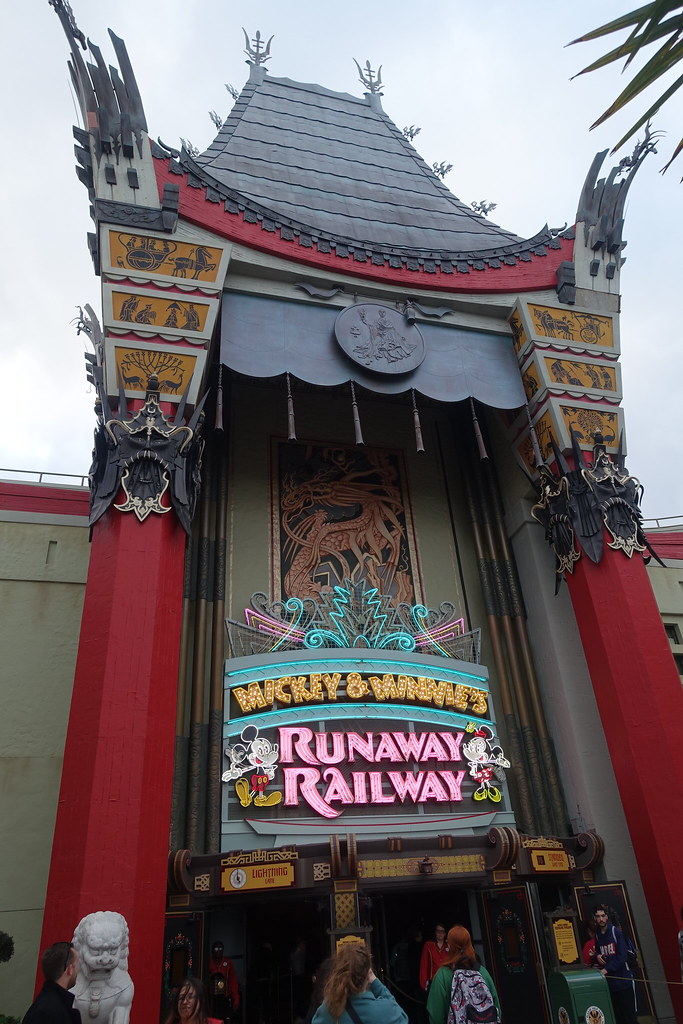
I genuinely like Mickey & Minnie’s Runaway Railway. Actually, I think it’s excellent. The animation style translates beautifully into a ride. The trackless system keeps every ride feeling a little different. The soundtrack is catchy. The visual effects are incredibly creative. And perhaps most importantly, Disney finally gave Mickey Mouse his first major ride-through attraction.
That’s kind of amazing when you think about it. For decades, Disney’s most recognizable character didn’t have a flagship attraction. Runaway Railway fixed that. It also appeals to nearly every age group. Little kids love it. Teenagers enjoy it. Adults appreciate the technology and hidden details.
It’s one of the easiest attractions to recommend to first-time visitors because almost everyone walks off smiling. In a vacuum, replacing an aging attraction with Runaway Railway looks like a slam dunk. If these two rides existed in different buildings, there probably wouldn’t even be a debate.
But they didn’t.
And that’s why people still talk about this replacement nearly a decade later.
The Building Matters
Imagine if Disney had demolished Star Tours and built Mickey & Minnie’s Runaway Railway there.
Would fans have been upset? Probably.
Would the reaction have reached the level it did? I don’t think so.
That’s because this wasn’t just any show building. The Chinese Theatre wasn’t simply home to The Great Movie Ride. It was The Great Movie Ride. Walking through those doors felt like entering Hollywood itself. The queue built anticipation. The ornate lobby reinforced the idea that you were about to experience something celebrating cinema’s greatest moments.
Today, the exterior remains. The building is still gorgeous. But the experience inside serves an entirely different purpose. Instead of celebrating Hollywood history, it invites guests into a Mickey Mouse cartoon.
Again, that’s not inherently bad. It’s just fundamentally different. And that’s difference is what makes this replacement so fascinating to look back on after nine years.
The Closure Marked the End of an Era
I don’t think it’s a coincidence that many longtime Disney fans point to August 13, 2017, as the moment Disney’s Hollywood Studios truly became a different park.
Yes, change had already begun.
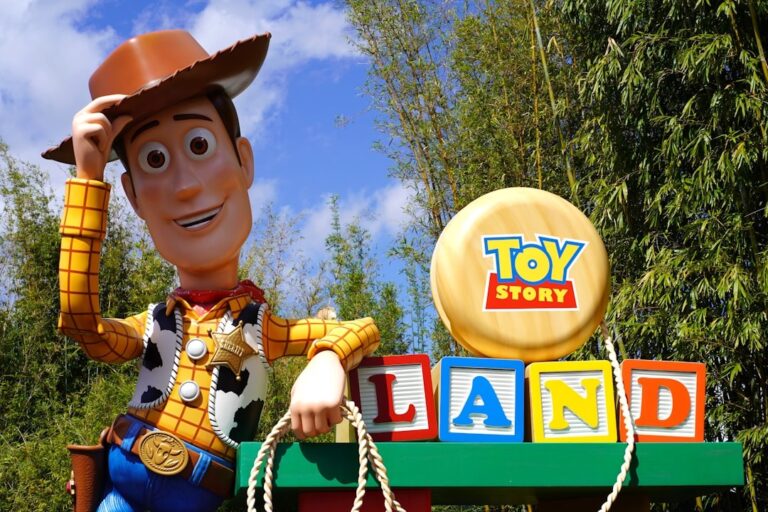
The Sorcerer’s Hat had come down in 2015, restoring the Chinese Theatre as the visual centerpiece of the park. Toy Story Land would open the following year. Star Wars: Galaxy’s Edge was already under construction. The transformation was well underway.
But The Great Movie Ride was the last remaining attraction that perfectly embodied the park’s original mission. Once it closed, there was no longer an attraction dedicated to celebrating filmmaking itself. (Some of you may claim that Indiana Jones Epic Stunt Spectacular still does this, but I would argue that the focus of this show has changed from being on the movie making process and more on the show element as time has gone on – also I believe its days are numbered).
That distinction is important. The park didn’t simply update an old ride. It abandoned the philosophy that inspired the park’s creation.
Originally, Disney-MGM Studios celebrated the people, technology, creativity, and history behind the movies we love. Today’s Hollywood Studios asks guests to step into those movies instead. Neither approach is inherently better.
They’re simply answering different questions.
The original park asked, “How are movies made?” The modern park asks, “What if you could live inside one?”
When you frame it that way, the replacement of The Great Movie Ride feels less like an attraction update and more like the final chapter in a much larger story.
Hollywood Studios Is Better Than Ever…
Here’s where I think some Disney fans lose credibility. They refuse to acknowledge just how much better Hollywood Studios is today than it was in the early 2010s. Back then, the park often felt like a half-day destination.
Outside of Toy Story Mania!, Tower of Terror, Rock ‘n’ Roller Coaster, and Star Tours, there wasn’t a deep lineup of attractions. Entire sections of the park felt underutilized, and guests frequently hopped to another park after lunch.
That’s no longer the case. Today, Hollywood Studios has one of the strongest attraction lineups at Walt Disney World.
- Rise of the Resistance.
- Smugglers Run.
- Slinky Dog Dash.
- Mickey & Minnie’s Runaway Railway.
- Toy Story Mania!
- Tower of Terror.
- Rock ‘n’ Roller Coaster.
- Fantasmic!
- Beauty and the Beast Live on Stage.
- Indiana Jones Epic Stunt Spectacular.
Whether you’re traveling with young kids, teenagers, or adults, it’s now much easier to spend an entire day there. Attendance numbers reflect that success. From Disney’s perspective, the transformation worked. And it’s hard to argue otherwise.
If Disney’s goal was to create a park that attracted more guests, kept them there longer, and encouraged repeat visits, they succeeded.
…But It Also Feels More Like Every Other Disney Park
Ironically, that’s where my biggest criticism begins.
One of the things I loved most about Disney-MGM Studios was that it didn’t feel like Magic Kingdom. Or EPCOT. Or Animal Kingdom. It had its own personality.
You weren’t walking through fantasy kingdoms or exploring exotic landscapes. You were walking through Hollywood. Every attraction reinforced that idea.
- Backlot Tour.
- The Great Movie Ride.
- The Animation Tour.
- Studio catering.
- Working production facilities.
Even if some of those experiences weren’t thrilling by today’s standards, they made the park feel unlike anything else Disney had built.
Today’s Hollywood Studios is unquestionably more exciting. But it’s also more familiar.
Instead of celebrating filmmaking, it has become another collection of immersive lands built around intellectual property.
- Toy Story Land.
- Galaxy’s Edge.
- Sunset Boulevard.
- Animation Courtyard.
Each area is enjoyable. Each is beautifully designed. Yet they don’t necessarily connect under one unifying idea the way the original park once did.
That’s what I miss. Not the specific rides. The identity.
Could Disney Have Done Both?
This is the question I find myself asking more than anything else.
Did Mickey & Minnie’s Runaway Railway have to replace The Great Movie Ride? Or did Disney simply decide it was the easiest option?
Looking around Hollywood Studios today, it’s difficult not to imagine alternatives. Could Runaway Railway have been built elsewhere? Could an entirely new theater have been constructed? Could Disney have modernized The Great Movie Ride instead of eliminating it?
Imagine if Disney had updated the attraction every decade or so. Classic scenes could remain, while newer iconic films joined the lineup. Maybe the montage expanded. Maybe projection technology enhanced existing sets. Maybe practical effects combined with modern technology. The attraction didn’t necessarily have to remain frozen in 1989. It could have evolved while still celebrating cinema.
Would that have been expensive? Absolutely.
Would it have generated the same merchandise sales as Mickey Mouse? Probably not.
But I think it would have preserved something increasingly rare in Disney parks: an attraction that wasn’t tied to a single franchise.
The Rise of IP-Driven Parks
To be fair to Disney, The Great Movie Ride’s closure wasn’t an isolated decision. It reflected a broader trend that continues today. Look around Walt Disney World, and you’ll notice a clear pattern.
- Frozen Ever After replaced Maelstrom.
- Tiana’s Bayou Adventure replaced Splash Mountain.
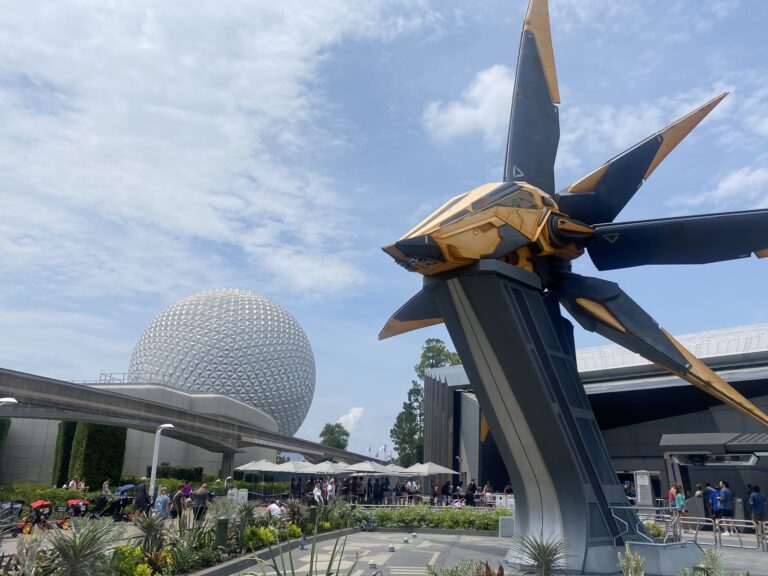
- Guardians of the Galaxy replaced Universe of Energy.
- Even EPCOT—a park once built around original concepts—has increasingly embraced recognizable intellectual property.
That’s simply the direction Disney has chosen. Characters sell. Franchises sell. Movies people already know create emotional connections before guests even step into the queue. It’s smart business.
The downside is that Disney has become less willing to build attractions around original ideas or broader themes (the last new attraction built at Walt Disney World that was not related to a pre-existing IP was Expedition Everest: Legend of the Forbidden Mountain in which was built in 2006). The Great Movie Ride represented one of those broader themes. It celebrated storytelling itself.
Today, Disney is more interested in celebrating specific stories. Again, that’s not necessarily wrong.
It’s just different.
So…Did Disney Make the Right Decision?
If you’re asking whether Disney made the right financial decision, I think the answer is clearly yes. Runaway Railway is consistently popular. It appeals to families. It gives Mickey Mouse a marquee attraction. It fits naturally within the modern direction of Hollywood Studios.
If attendance and guest satisfaction are your metrics, Disney won.
But if you’re asking whether Disney improved Hollywood Studios’ identity… I don’t think the answer is as clear. The Great Movie Ride wasn’t beloved because it had the newest technology. It wasn’t beloved because it had the longest wait. It wasn’t beloved because every child recognized every movie. It was beloved because it stood for something.
It reminded guests that movies mattered. That Hollywood history mattered. That filmmaking itself was worthy of celebration.
When it disappeared, that message disappeared with it.
Runaway Railway is a fantastic ride.
It just tells a completely different story.
My Final Verdict
Nine years later, I no longer think Disney made a bad decision.
I think they made a necessary one.
The Great Movie Ride was becoming increasingly difficult to justify in a park that was rapidly reinventing itself. Attendance expectations had changed. Guest preferences had changed. Disney’s business strategy had changed.
From that perspective, replacing it with Mickey & Minnie’s Runaway Railway was logical.
Maybe even inevitable.
But logical doesn’t always mean ideal. I still believe something irreplaceable was lost on August 13, 2017.
Not because The Great Movie Ride was the greatest attraction Disney ever built. It wasn’t.
Not because Runaway Railway is inferior. It isn’t.
What was lost was the park’s mission statement.
The Great Movie Ride wasn’t just another attraction on the map. It was the attraction that explained why Disney-MGM Studios existed in the first place. It celebrated the films that inspired generations of storytellers, the actors who brought those stories to life, and the magic that happened behind the camera long before guests ever stepped into a theme park.
Runaway Railway asks guests to become part of a story.
The Great Movie Ride asked guests to appreciate storytelling itself.
Those are both worthy goals. But they’re not the same.
So, did Disney make the right decision replacing The Great Movie Ride?
If you’re measuring success by popularity, attendance, and guest satisfaction, I’d say yes.
If you’re measuring success by whether Hollywood Studios retained the unique identity that made it unlike any other Disney park, I’d say no.
And perhaps that’s why this debate still exists nearly a decade later.
Not because Disney replaced a ride. But because they replaced an idea.
What Do You Think?
Do you think Disney made the right call replacing The Great Movie Ride with Mickey & Minnie’s Runaway Railway, or do you think Hollywood Studios lost a piece of its soul when the attraction closed?
I’d love to hear your thoughts on Facebook. After nine years, has your opinion changed—or do you feel the same way you did back in 2017?
Check out our recent posts and if you’re traveling to Disney’s Hollywood Studios we recommend checking out our LL Calculator.
- Disney World Dining Reservations: How the 60-Day Window Actually Works
- Is Park Hopper Worth It? An Honest Disney World Verdict
- Disney World Tickets: Types, Add-Ons, and Which One Is Right for Your Family
- D23 2026 Disney World Announcements: What Actually Changes Your Vacation
- 7 More Disney World Hacks That Don’t Work (and 7 That Actually Do)