10 Disney World First Time Mistakes (And How to Avoid Every One)
Planning your first trip to Walt Disney World is exciting. It’s also overwhelming — and the internet is full of advice that sounds reasonable until it completely derails your vacation. This guide cuts through the noise on the most common Disney World first time mistakes so you can spend less time recovering from rookie errors and more time actually enjoying yourself.
Walt Disney World is not a theme park. It’s a 27,000-acre resort with four theme parks, two water parks, dozens of hotels, more than 300 restaurants, and a transportation system that connects all of it. The sheer scale catches first-timers off guard more than almost anything else. People budget for tickets and a hotel and show up assuming the rest will just sort itself out. It usually doesn’t.
These are the ten biggest Disney World first time mistakes we see — and more importantly, how to avoid every one of them.

Table of Contents
Mistake #10: Going in Totally Winging It
There’s a version of “just go with the flow” that works on a road trip. Walt Disney World is not that. Guests who show up without any plan routinely waste hours figuring out basics — what park to go to, where to eat, how to get there — while everyone around them is already in line for the rides they came to do.
The problem isn’t just lost time. It’s lost money. Disney World tickets cost several hundred dollars per person per day. Every hour you spend figuring out logistics inside the park is an hour you’ve already paid for and aren’t using. That math adds up fast over a multi-day trip, and it has a way of making the whole experience feel more exhausting and less magical than it should.
You don’t need a minute-by-minute itinerary. But you do need a plan. Know which parks you’re going to on which days, have your dining reservations booked before you arrive, and understand the basics of how Lightning Lane works before you walk through the gate. An hour of research at home is worth a full day inside the parks.
If you’re still deciding, figure out how many days you actually need before you lock anything in. Ticket length and hotel nights are far easier to set correctly the first time than to fix later.
Mistake #9: Getting Advice from Someone Who Hasn’t Been in 10+ Years
Disney World in 2015 is not Disney World today. FastPass is gone. Genie+ is gone. Lightning Lane Multi Pass replaced it. Entire lands have been built — Star Wars: Galaxy’s Edge, Toy Story Land, TRON Lightcycle / Run. Rides have opened and closed. Restaurants have come and gone. Pricing, systems, and the overall guest experience have changed dramatically across the board.
If your coworker visited in 2014 and is confidently giving you trip advice, smile, nod, and then go find someone current. Outdated information feels helpful but can send you chasing a system or experience that simply doesn’t exist anymore. The person who “used to go every year as a kid” is not a reliable source for a 2026 trip.
This also applies to Facebook groups and forums where the most vocal contributors haven’t actually been to the parks in years. Make sure whatever resource you’re relying on — blog, YouTube channel, podcast, online community — has been actively updated within the last 12 months. Disney changes constantly. Advice has a shelf life, and stale advice at Disney World costs you real time and money.
Mistake #8: Ignoring Transportation (It’s Not as Simple as You Think)
First-timers often assume Disney’s internal transportation is fast and seamless. That is not always the case. Buses can take 45 minutes to an hour when you factor in wait time, route stops, and walking on either end. Park hopping mid-day via bus is a significant time commitment that can eat a full hour out of your afternoon. Getting from one resort hotel to another without a car is even more complicated.
Before your trip, understand the full picture: the Monorail serves Magic Kingdom, EPCOT, and a handful of deluxe resorts along that corridor. The Skyliner connects EPCOT and Hollywood Studios to select resort hotels. Everything else runs primarily on buses, and those buses sometimes share stops across multiple resorts, which adds time.
This matters for planning because your transportation options should influence where you stay and how you structure your days. Guests who stay at a Skyliner resort and plan to spend most of their time at Hollywood Studios and EPCOT have a completely different commute experience than guests staying at a value resort trying to reach Magic Kingdom every morning. Know the map before you book, and factor transit time into your daily schedule rather than discovering it on the ground. This is even more important if you have decided to stay off-property.
Mistake #7: Underestimating the Physical Demand
A typical day at Disney World means 8 to 12 miles of walking. Sometimes more. Most first-timers don’t account for this and either push too hard and crash mid-trip, or they wear the wrong shoes and pay for it for days. This is one of those Disney World first time mistakes that sounds minor until you’re limping through EPCOT on Day 3 in sandals you thought would be fine.
Wear broken-in, comfortable footwear. Not new shoes you bought for the trip. Not sandals. Actual walking shoes that you’ve already put real miles on before you arrive.
Beyond footwear: build rest into your schedule intentionally. If you’re going for four or more days, a mid-trip afternoon off — at the pool, at the resort, or at Disney Springs — isn’t wasted time. It’s the reason Day 4 and Day 5 are actually enjoyable rather than a death march through the Florida heat. Guests who try to do full park days back-to-back for a week tend to hit a wall around Day 3 that colors the rest of the trip. Rest is strategy, not surrender.
Mistake #6: Not Researching What an Attraction Actually Is
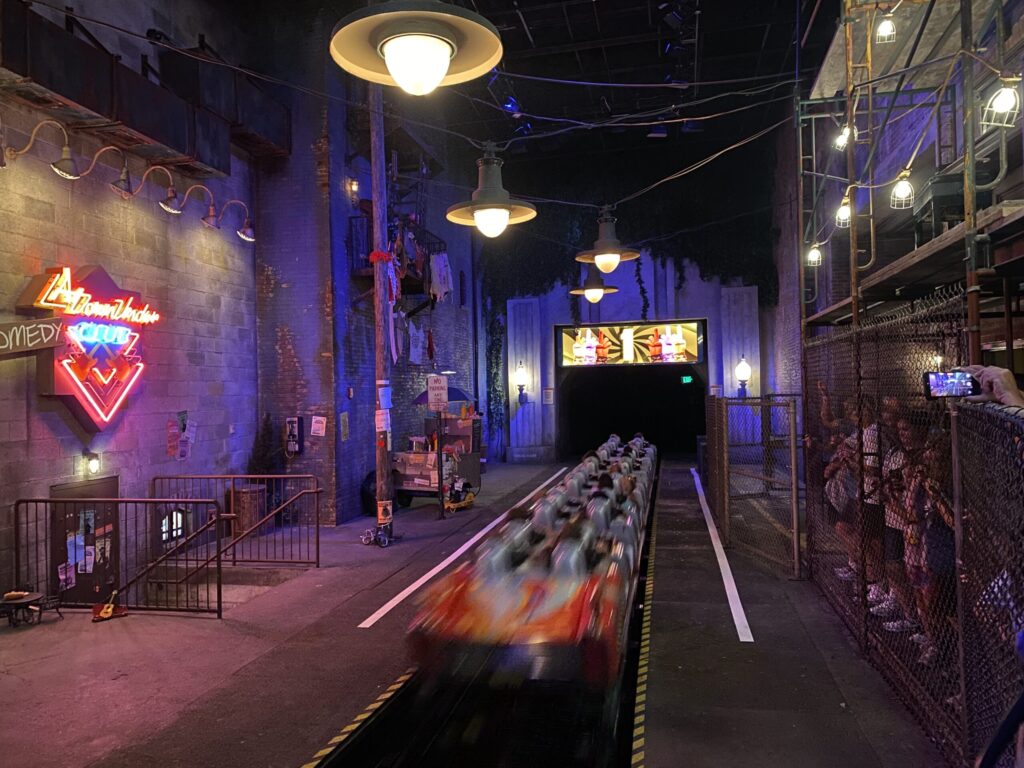
Knowing that something exists at Disney World is not the same as knowing what it is. This distinction matters more than people realize, and walking in with the wrong expectation is a reliable way to end up disappointed by something that’s actually great.
A few real examples. The Bluey attraction at Animal Kingdom — families see it mentioned and assume it’s a character meet and greet where they can hug Bluey and Bingo and grab a photo. It’s not. It’s an immersive experience, and a fun one, but if you’ve promised your four-year-old they’re going to meet Bluey, you’re setting yourself up for a meltdown in the middle of the park.
Oga’s Cantina at Hollywood Studios is another one. It sounds like a bar where you can settle in, order a few drinks, and soak up the Star Wars atmosphere for a while. In reality, you’re most likely standing the entire time (there is very limited seating that is assigned by the Cast Members and you cannot reserve it), there’s a strict two-drink limit, and turnover is fast. Great experience when you know what it is — not great if you booked it expecting somewhere to sit down and relax.
Same goes for Beak & Barrel at Magic Kingdom. It’s a Pirates of the Caribbean-themed lounge with heavy pours, dark atmosphere, and great Easter eggs for fans of the ride. It is not a restaurant. There’s no full meal, no lingering, and you’re out in 45 minutes whether you’re ready or not. Walk in knowing that and it’s a blast. Walk in expecting a leisurely dinner and you’ll be confused and hungry. We reviewed it in full here if you want the complete picture before you book.
The fix is simple: before anything goes on your itinerary, spend three minutes looking up exactly what it is, what the format is, and what other guests say about the experience. It is sometimes difficult to discern what an experience is on the fly inside the parks — so that homework being done beforehand is crucial.
Mistake #5: Forgetting to Book Dining Reservations

Table-service restaurants at Disney World open reservations 60 days in advance. Popular spots — Cinderella’s Royal Table, Be Our Guest, California Grill — book up fast. Really fast. If you decide you want a nice sit-down dinner the week before your trip, you’re mostly looking at whatever’s left, which often isn’t much.
This catches first-timers off guard because at most restaurants in the real world, showing up and waiting 20 minutes gets you a table. At Disney, some of the most sought-after dining experiences are fully booked two months out. The planning window is genuinely different from anything most people are used to.
Book at the 60-day mark, not after. Set a reminder. Cancel what you don’t end up planning on using — Disney charges a no-show fee per person. And do your research before booking rather than just chasing the names you’ve heard are popular. Not every highly recommended restaurant is the right fit for your group, your budget, or the kind of experience you’re actually looking for. Check the menu, the format, and recent reviews before you commit to something that eats a chunk of your park day.
Mistake #4: Making Your Itinerary Too Rigid
The flip side of going in without a plan is going in with a plan so airtight there’s no room to breathe. Disney World is inherently unpredictable. Rides break down. Wait times spike without warning. Someone in your group needs a 20-minute break. A Florida afternoon thunderstorm rolls through and outdoor attractions close temporarily. These things happen, and they happen regularly.
If your schedule can’t absorb any of that, every disruption becomes a problem to solve instead of just part of the experience. Families who run on rigid schedules tend to spend a surprising amount of their vacation stressed about being behind.
Build buffer time. Identify your true non-negotiables in advance — the two or three things your trip would feel incomplete without — and hold those firmly while staying flexible about everything else. That mindset shift is what separates a fun trip from a stressful one. The families who seem to glide through Disney World aren’t the ones with the most detailed plans. They’re the ones who planned enough to have direction but left enough room to adjust when the day doesn’t cooperate.
Mistake #3: Trusting a Florida Local to Show You Around
This one surprises people, but it’s worth understanding. Florida residents who live near Disney World have a fundamentally different relationship with the parks than tourists do. They visit frequently. They’ve already seen everything multiple times. They make decisions based on what they haven’t done recently — not on what a first-timer actually needs to see and experience.
Your Florida local friend may skip the Haunted Mansion because they’ve ridden it 40 times and it feels routine to them. They might fast-walk right through Main Street, U.S.A. without a second thought because for them, it’s just the way in. They might push for a park or experience that’s new to them but that a first-timer has dreamed about seeing for years. And because they’re the one who “knows Disney,” their preferences naturally tend to steer the day.
For you, as a first-timer, the Haunted Mansion is a bucket-list ride. Main Street at rope drop is one of the defining images of a Walt Disney World visit. You might care deeply about Magic Kingdom and barely care about Animal Kingdom on this particular trip. Those priorities are completely valid — but a local guide whose relationship with the parks is totally different from yours won’t naturally factor that in.
Know what you want to do before you go and advocate for it, even if your guide thinks it’s “not worth the wait” or “you’ve basically seen it.” You haven’t. That’s the whole point.
Mistake #2: Not Understanding How Lightning Lane Actually Works Before You Go
Lightning Lane is the single biggest system that separates guests who accomplish a lot from guests who spend their whole vacation in standby queues. But it has a real learning curve, and people who walk into the parks without understanding the basics are at a genuine disadvantage from the moment the park opens.
Here’s what you need to know. Lightning Lane Multi Pass is a paid add-on that lets you book return windows for a selection of attractions across the parks. You can book your first one before the park opens, and once your return window arrives — or after two hours, whichever comes first — you can book the next one. The key is stacking those windows efficiently throughout the day so you’re always working through your list rather than waiting for one window to expire before thinking about the next.
Lightning Lane Single Pass covers the top-tier headliners — TRON Lightcycle / Run, Guardians of the Galaxy: Cosmic Rewind, and a handful of others depending on the park — and is purchased separately per attraction per person, on top of Multi Pass.
Going in without understanding this means you’re reacting all day instead of staying ahead of it. The guests booking at 7am from their hotel room while you’re still asleep are already locking up the best return windows for the most popular rides. Check out our Lightning Lane Calculator to run the numbers on whether it makes financial sense for your specific trip.
Mistake #1: Treating Walt Disney World Like a Regular Theme Park
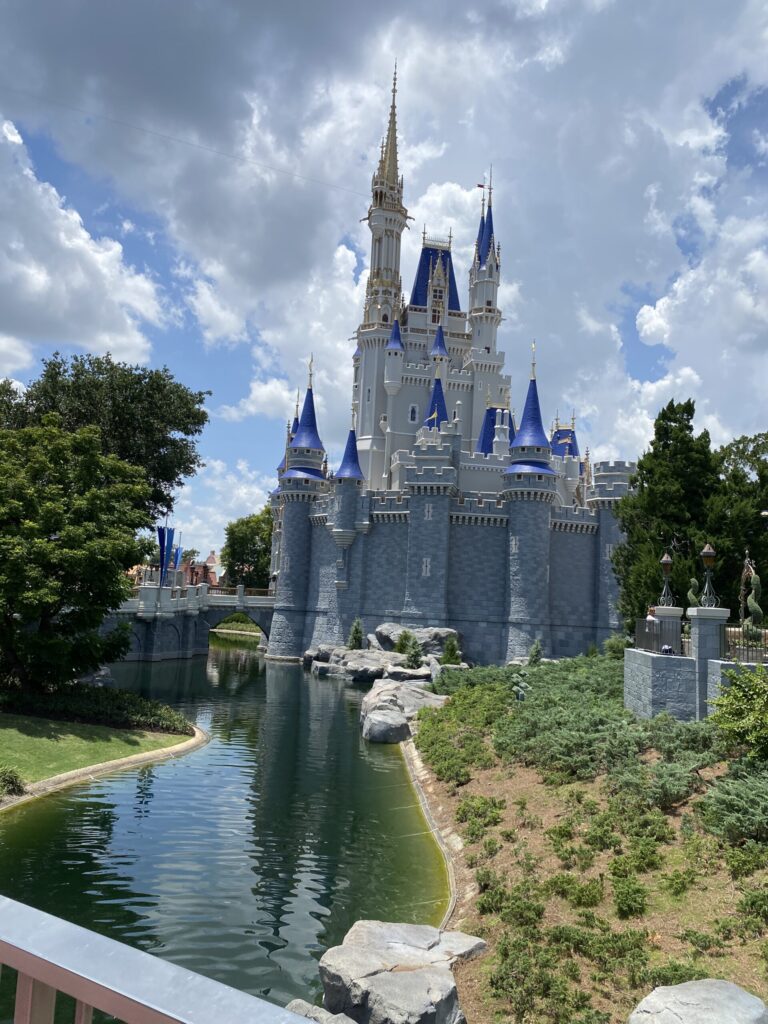
This is the big one. The single most common Disney World first time mistake we see is people treating Walt Disney World like a regional amusement park you can figure out on the fly. Show up, buy a ticket, ride some things, go home. That approach works at most places. It does not work here.
Walt Disney World is a destination that rewards preparation in ways almost no other vacation does. The gap between a guest who did their homework and a guest who didn’t is visible and significant — in how many things they actually get to do, in how much they spend per experience, in how much stress they carry through the day, and in whether they leave wanting to come back or swearing they never will.
This doesn’t mean obsessing over every detail or building a spreadsheet with 15-minute blocks. It means doing enough homework that you’re not surprised by the basics: how the parks work, when to book things, how to use the My Disney Experience app, what a realistic daily schedule actually looks like, and what Lightning Lane is and how to use it before the day you need it. It means knowing your dining options before you’re standing in a park at noon, hungry, with no reservation and a two-hour wait at the only counter service that sounds good.
One well-spent afternoon of research at home changes the entire trip. That’s not an exaggeration. It’s genuinely the difference between arriving as a prepared guest and arriving as someone who spends the first two days figuring out what prepared guests already knew before they left home.
Need a starting point? Check out our guide to whether you should skip Lightning Lane entirely and build your strategy from there. Our post on which order to do the parks in may also be helpful.
The Bottom Line: Disney World First Time Mistakes
Disney World first time mistakes are almost universally the result of either too little planning or trusting the wrong source. Get current information, build a flexible plan, understand the systems before you walk in, and don’t let someone else’s familiarity override what you actually want to see. Your first visit should be one you want to repeat — and with the right prep, it will be.
Walt Disney World® Resort is a registered trademark of The Walt Disney Company. All Disney parks, attractions, characters, and experiences referenced on this site are the property of The Walt Disney Company. Magical Blueprint is an independent planning resource and is not affiliated with, endorsed by, or sponsored by The Walt Disney Company or any of its affiliates.